Listeners:
Top listeners:
-
play_arrow
104.9FM Best rock music demo
-
play_arrow
Demo Radio Nr.1 For New Music And All The Hits!
-
play_arrow
Demo Radio Techno Top Music Radio
-
 play_arrow
Police Commissioner Launches Weapon and Riot Control Training for FCT Officers Democracy Radio
How Millions of Nigerian Women Face Violence Amid Weak GBV Response
By Juliet Onwurah
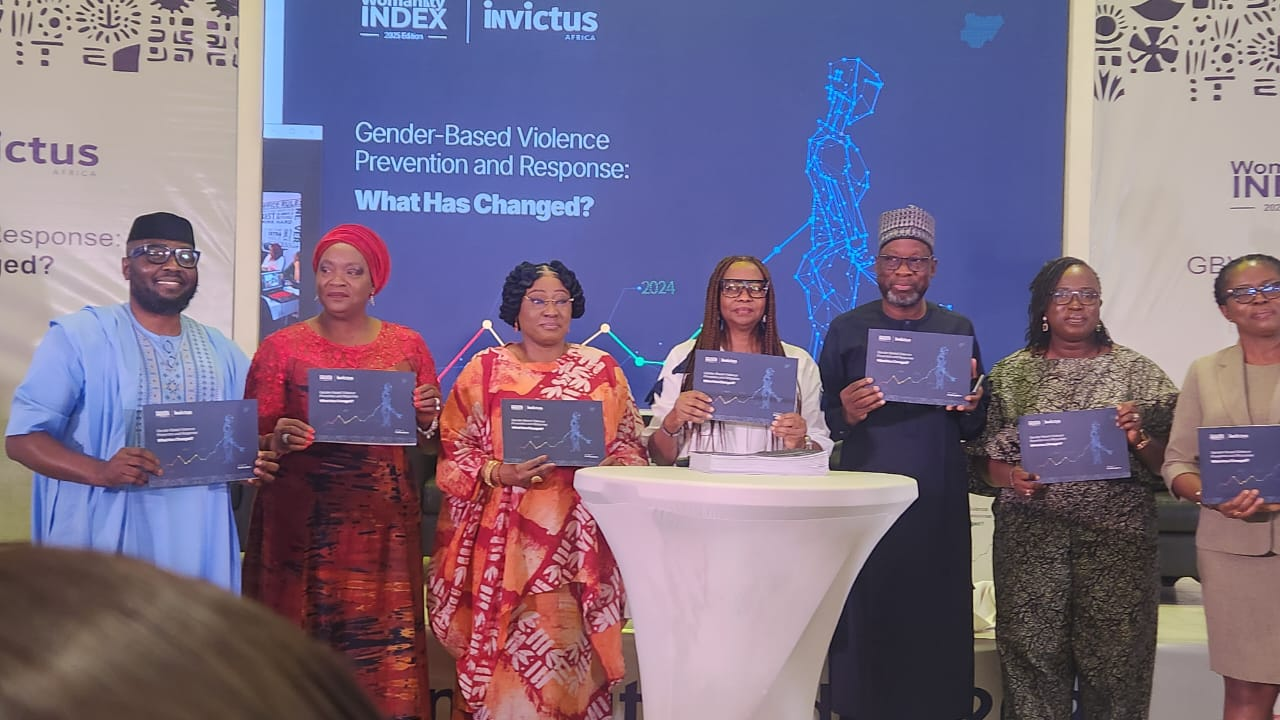
Millions of Nigerian women remain trapped in their homes, facing violence with little hope of justice, as the latest Womanity Index reveals stark gaps in the country’s response to gender-based violence (GBV).
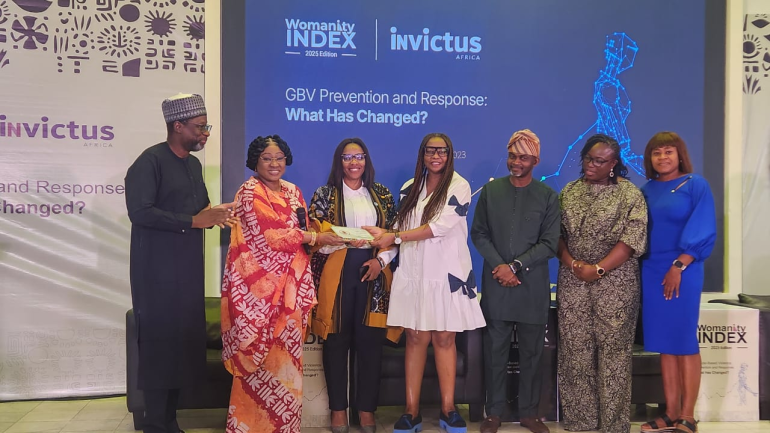
Launched in Abuja during the 16 Days of Activism, the 2025 Womanity Index paints a grim picture: underfunded programs, weak legal access, and collapsing awareness campaigns leave survivors unprotected.
The Index, developed by Invictus Africa with support from BudgIT Foundation and Ford Foundation, measures state-level performance across laws and policies, access to justice, support services, awareness, and budget spending.
“The home is the most dangerous place for women and girls in Nigeria,” said Bukky Shonibare, Executive Director of Invictus Africa while presenting the report.
“Domestic or intimate partner violence affects more than half of survivors, and nearly six in ten Nigerians don’t know where to access legal support.”
She said the report underscores that psychological, physical, and sexual violence remain widespread. Despite some improvements in budget allocations, weak implementation means millions of women are still left vulnerable.
Key Findings:
- 76% of GBV cases occur at home.
- Awareness of GBV laws dropped from 61% in 2023 to 51% in 2025.
- 68% of survivors prefer formal justice, yet 59% do not know where to get legal help.
- No state has fully functional SARCs or shelters in all local government areas.
- Average spending per woman or girl on GBV response is just ₦365.60.
Funding: The Weakest Link
Budget allocations remain symbolic. On average, state Ministries of Women Affairs receive only 0.6 percent of total budgets, and most funds are never spent. Shonibare explained:
“When money is not released, awareness campaigns collapse, witness protection fails, and survivors cannot access justice or shelters.”
Human Cost Behind the Numbers
Dapo Oyewole, Senior Special Adviser to President Bola Tinubu on International Cooperation, urged urgent action:
“Behind every statistic is a woman, a girl, a family, and a future interrupted. The Womanity Index makes the invisible visible.”
He noted the absence of functional Sexual Assault Referral Centres (SARCs) across all local government areas, stressing that survivors often have no place to report, access shelters, or receive proper care.
Ekiti First Lady Bisi Adeleye-Fayemi added, “We still have a long way to go at the community and state levels, but some states like Lagos, Akwa Ibom, and Ekiti are leading the way. Ending GBV requires collective responsibility.”
Contributing Ford Foundation Regional Director, Dr. ChiChi Aniagolu-Okoye, said “Data Makes Solutions Possible “The Womanity Index gives us granular state-level data to guide policies and budgets that reflect real needs.”
The Road Ahead
She noted that the report ex-rays the urgent need for federal and state governments to:
- Create and fund dedicated GBV budget lines.
- Release and track funds to ensure accountability.
- Expand shelters and SARCs to all LGAs.
- Strengthen community awareness and reporting pathways.
- Improve witness protection and legal support.
On her part, Dr. Osasuyi Dirisu of the Policy Innovation Centre stressed the need for sustained advocacy: “Progress does not come from wishful thinking. Evidence-based action is essential, and the Womanity Index lets us assess our impact every year.”
As Nigeria grapples with high GBV rates, the message is that: without strong, sustained government investment and community engagement, millions of women and girls will remain at risk, trapped in violence with nowhere to turn.