Listeners:
Top listeners:
-
play_arrow
104.9FM Best rock music demo
-
play_arrow
Demo Radio Nr.1 For New Music And All The Hits!
-
play_arrow
Demo Radio Techno Top Music Radio
-
 play_arrow
Police Commissioner Launches Weapon and Riot Control Training for FCT Officers Democracy Radio

Food Security at Risk as Agriculture Ministry Flags Funding Delays
By Oluwakemi Kindness
The Federal Ministry of Agriculture and Food Security has warned that delayed capital releases and declining budgetary allocations are slowing critical food security programmes nationwide.
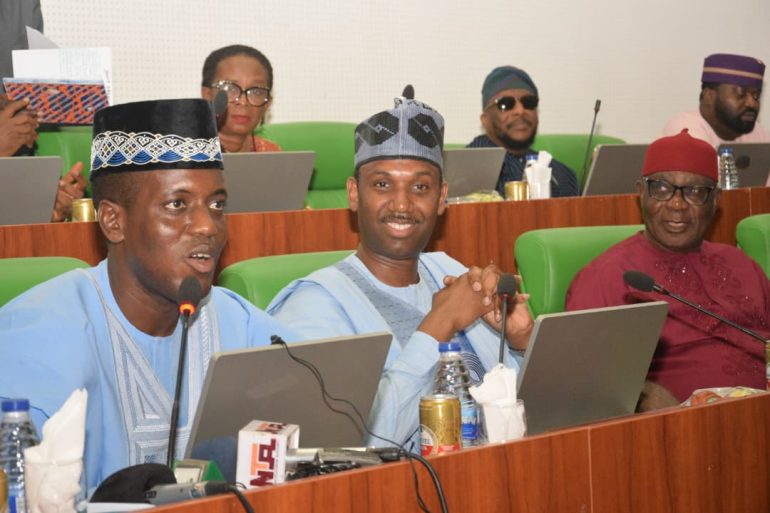
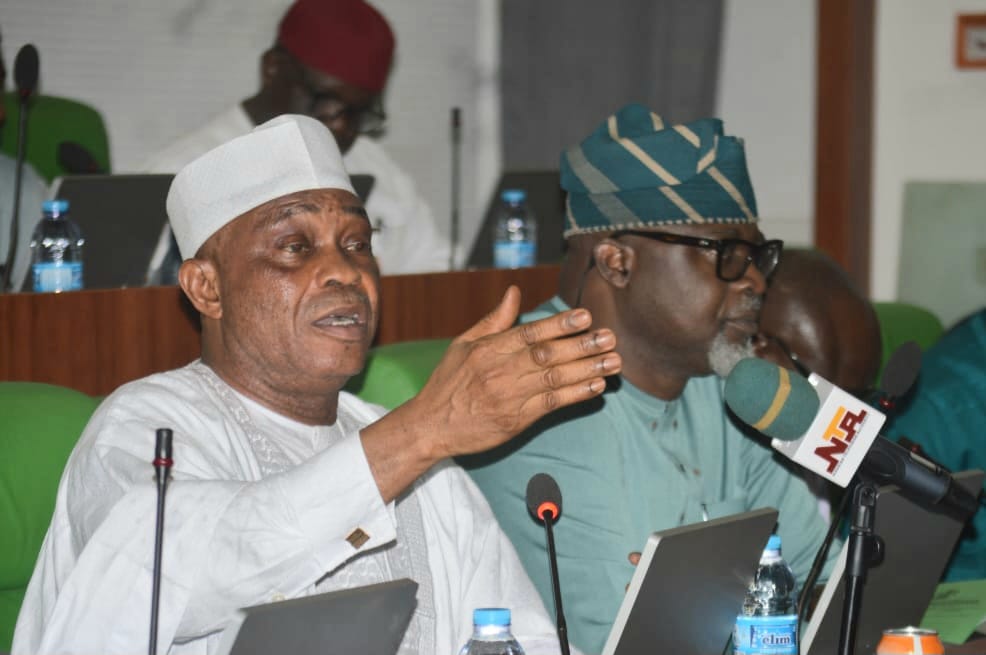
Minister of State for Agriculture and Food Security, Senator Aliyu Abdullahi, delivered the caution on while presenting the ministry’s 2026 budget proposal before a joint session of the Senate and House Committees on Agricultural Production, Services and Rural Development.
Only 30% of 2025 Capital Funds Released — Minister
Sen. Abdullahi disclosed that while personnel funds under the 2025 budget had been largely implemented, only about 30% of the ministry’s capital allocation, approximately ₦18 billion, has been released, leaving several programmes stalled.
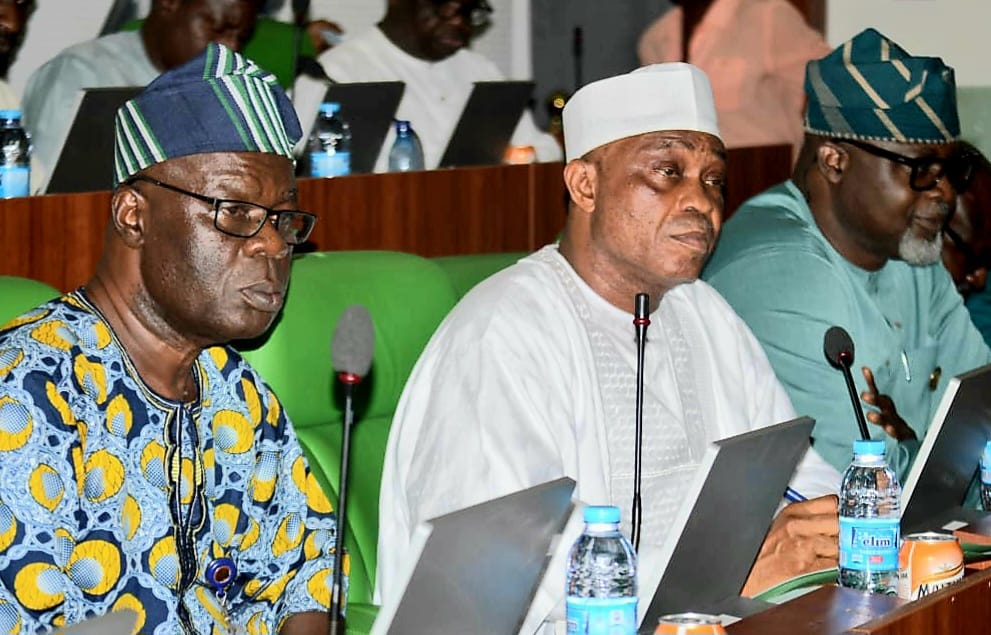
He added that only constituency-linked projects have received partial disbursement, totaling ₦19.8 billion, a development he said restricts the ministry’s ability to scale support to farmers.
The minister noted that the funding shortfall is affecting fertiliser distribution, mechanisation efforts, extension services, and other interventions tied to President Bola Tinubu’s food security emergency initiative.
2026: Agriculture Sector Projected to Receive ₦1 Trillion — But Ministry’s Allocation Falls Sharply
For 2026, the agricultural sector is projected to receive about ₦1 trillion, but the minister confirmed that the Federal Ministry of Agriculture and Food Security has been allocated only:
• ₦262 billion for capital projects
• ₦19.18 billion for recurrent spending
This represents a sharp drop from the ministry’s ₦2.22 trillion allocation in 2025 to ₦1.45 trillion in the 2026 proposal, raising concerns among lawmakers who say the decline contradicts national economic growth projections.
Rising Input Costs and Policy Constraints Threatening Farmers
Sen. Abdullahi highlighted surging production costs, largely driven by gas pricing for fertiliser manufacturers and taxation on agrochemicals, as major threats to farmers’ sustainability.
He warned that many producers now struggle to balance increasing input prices with consumer expectations for affordable food, making agriculture less viable without policy support.
He further noted that past distribution challenges have left over 7,000 tractors unused across the country, stressing that such inefficiencies must not recur.
Nigeria’s Agricultural Output Rising, but Funding Still Below Continental Benchmarks
The minister presented agricultural performance data showing the sector’s contribution to national GDP:
• 24.05% in 2022
• 24.10% in 2023
• 29.44% in 2024
• 26.17% in Q2 2025
Despite the sector’s growing importance, he acknowledged that Nigeria still allocates only about 4% of its national budget to agriculture, well below the 10% Maputo Declaration benchmark.
He called for increased and timely funding to unlock the sector’s full potential.
Lawmakers: Reduced Funding Could Undermine Food Security and Economic Recovery
Chairman of the House Committee on Agricultural Production and Services, Bello A. Ka’oje, described the ministry’s reduced allocation as a troubling contradiction, especially as total national expenditure is set to rise by 21% to ₦58.47 trillion in 2026.
Ka’oje warned that declining investment could weaken productivity, deepen food insecurity and derail economic recovery efforts, given that agriculture drives employment, poverty reduction and household welfare.
He said the committee will undertake a detailed review of:
• 2024 budget implementation
• 2025 performance based on KPIs
• 2026 proposal aligned with the Renewed Hope Agenda
Ka’oje recommended increased funding, first-line charge status for the National Agricultural Development Fund, and stronger inclusion of women and youth in agricultural programmes.
Senate Committee Chairman: Agriculture Is Key to Poverty Reduction
Chairman of the Senate Committee on Agriculture, Senator Saliu Mustapha, echoed the concerns, warning that poor capital project implementation and declining allocations could worsen food insecurity.
He emphasised that agriculture remains Nigeria’s most reliable pathway to job creation and poverty reduction and urged the Federal Government to ensure predictable and adequate funding for the sector.
Mustapha assured that the National Assembly will work with the ministry to ensure the 2026 budget strengthens food supply, supports farmers and improves economic stability.