Listeners:
Top listeners:
-
play_arrow
104.9FM Best rock music demo
-
play_arrow
Demo Radio Nr.1 For New Music And All The Hits!
-
play_arrow
Demo Radio Techno Top Music Radio
-
 play_arrow
Police Commissioner Launches Weapon and Riot Control Training for FCT Officers Democracy Radio

Nigeria Attracts $21bn in 2025, Ministry Calls for More Funding
By Oluwakemi Kindness
Nigeria attracted over $21 billion in capital inflows in 2025, marking the country’s strongest investment performance in three years.
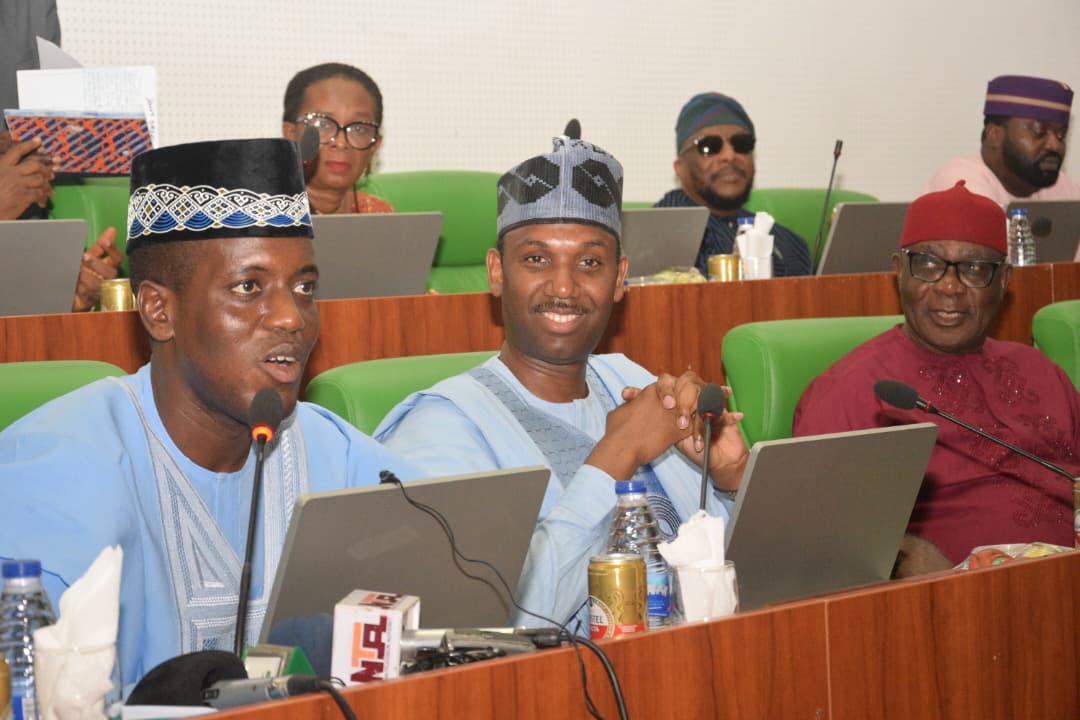
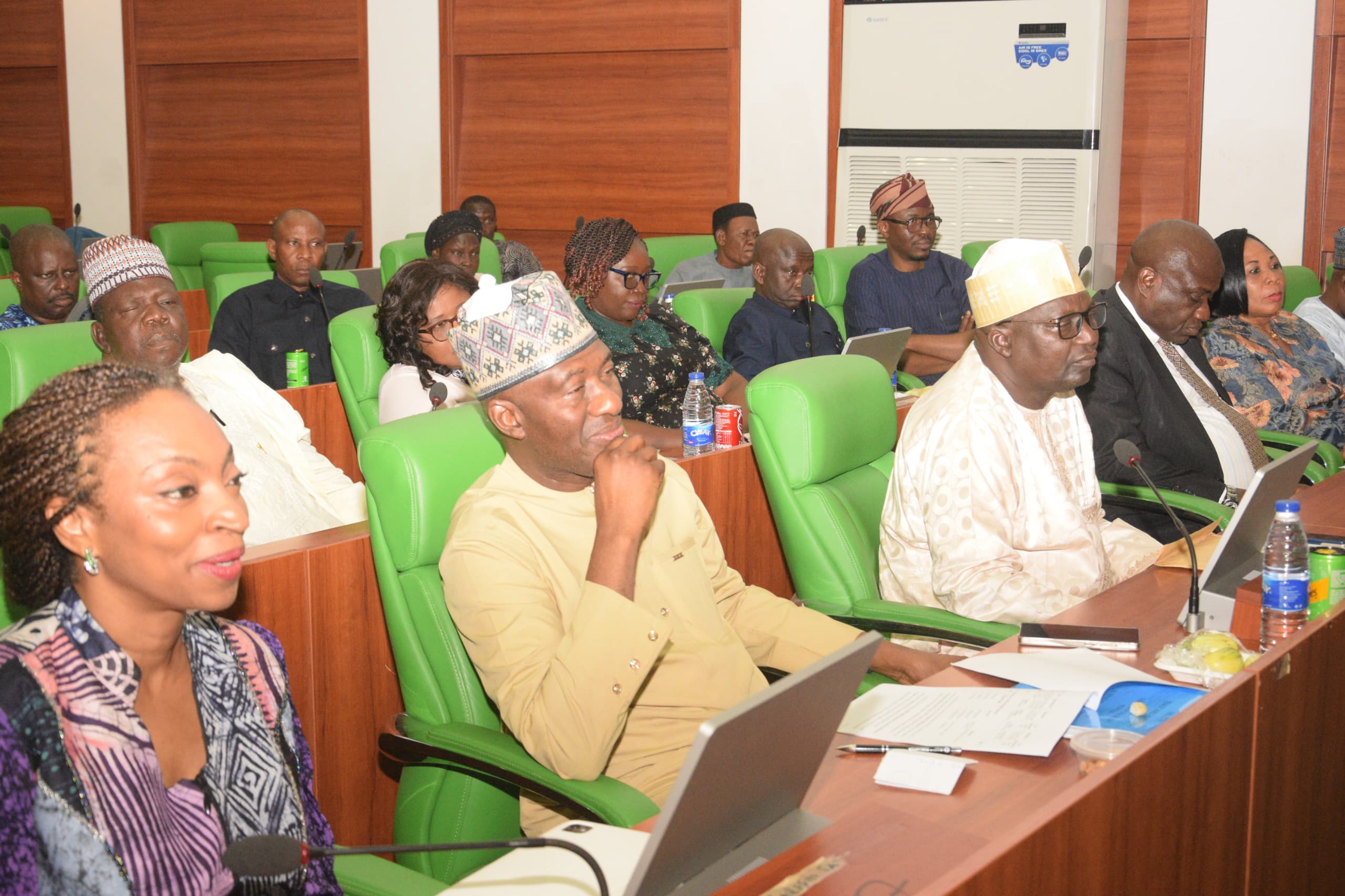
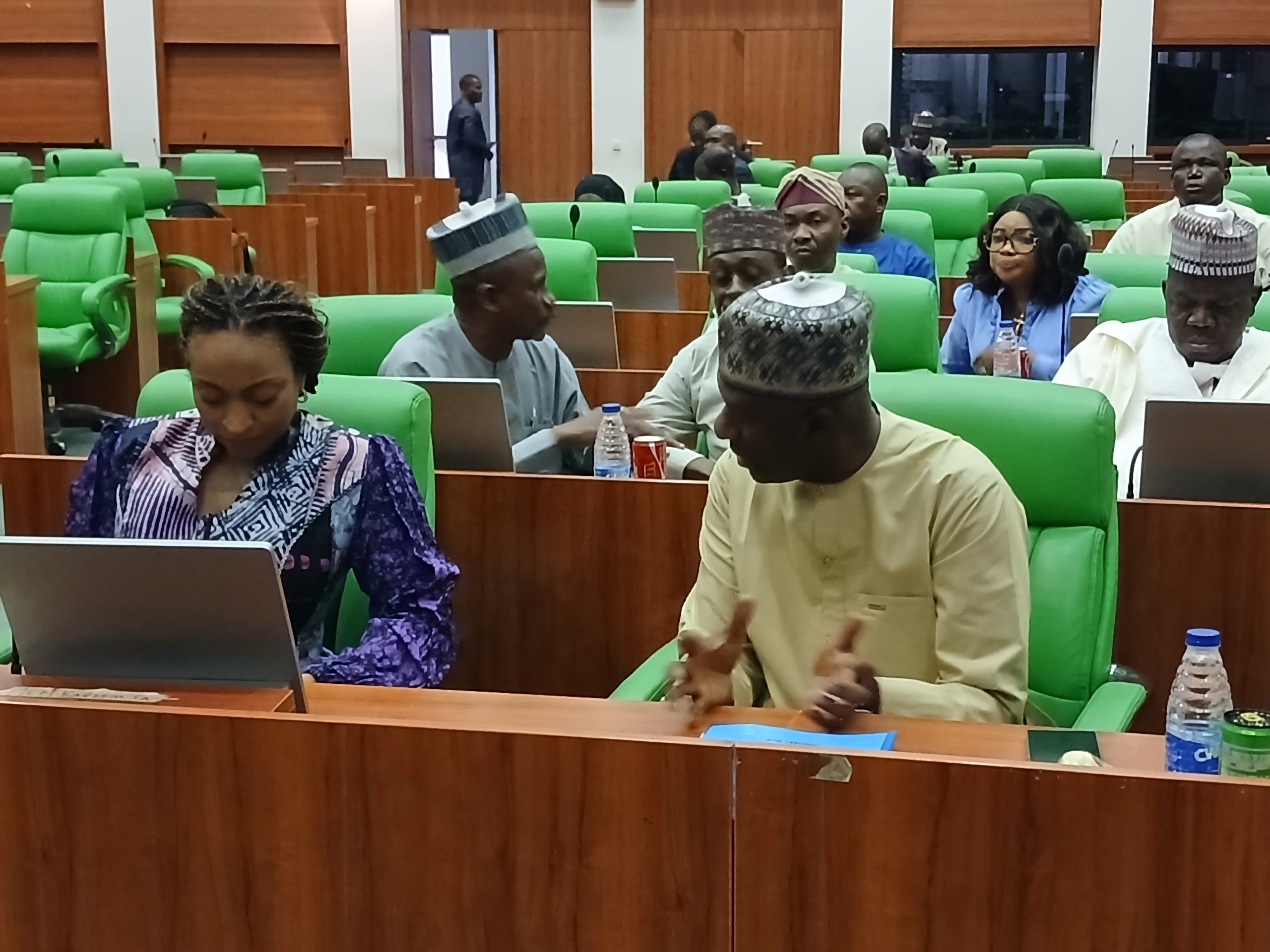
The Minister of Industry, Trade, and Investment, Dr. Jumoke Oduwole, disclosed this on Wednesday during the 2026 budget defense session for the commerce sector at the National Assembly.
According to her, the sharp rebound from $12 billion in 2024 and $4 billion in 2023 resulted from deliberate policy reforms, targeted investor engagements, and renewed confidence in Nigeria’s business environment.
“Nigeria recorded total capital importation of approximately $21 billion in the first ten months of 2025. This is the outcome of coordinated investor engagements, sector-specific deal rooms, and the resolution of over 50 investor bottlenecks,” she said.
Non-Oil Exports Hit Record $6.1bn
Dr. Oduwole also announced that non-oil exports surged to a historic high of $6.1 billion, the highest value and volume ever recorded in the country’s history.
“Our export facilitation efforts, AfCFTA implementation, and expanded export warehouses helped drive an 11% growth in exports year-on-year. What we are seeing is the beginning of sustained structural transformation,” she added.
The Minister further disclosed that Nigeria’s Special Economic Zones generated over $500 million in export revenues and created more than 20,000 direct jobs in 2025.
Minister Seeks Higher Capital Allocation
Despite these gains, the Minister expressed concerns over the Ministry’s ₦2.72 billion capital allocation proposed for 2026, describing it as insufficient for its mandate.
“Given the scope of responsibilities before us, this allocation will be a stretch. We respectfully seek the Committee’s support for targeted enhancement of our capital budget,” she appealed.
Lawmakers: Budget Oversight Must Deliver Tangible Impact
“Value for Money, Not Fund Exhaustion”
Chairman of the House Committee on Commerce, Ahmed Munir-Lere, said lawmakers would apply stricter scrutiny to the Ministry’s proposals, stressing that oversight in 2026 would focus on measurable impact, not spending volume.
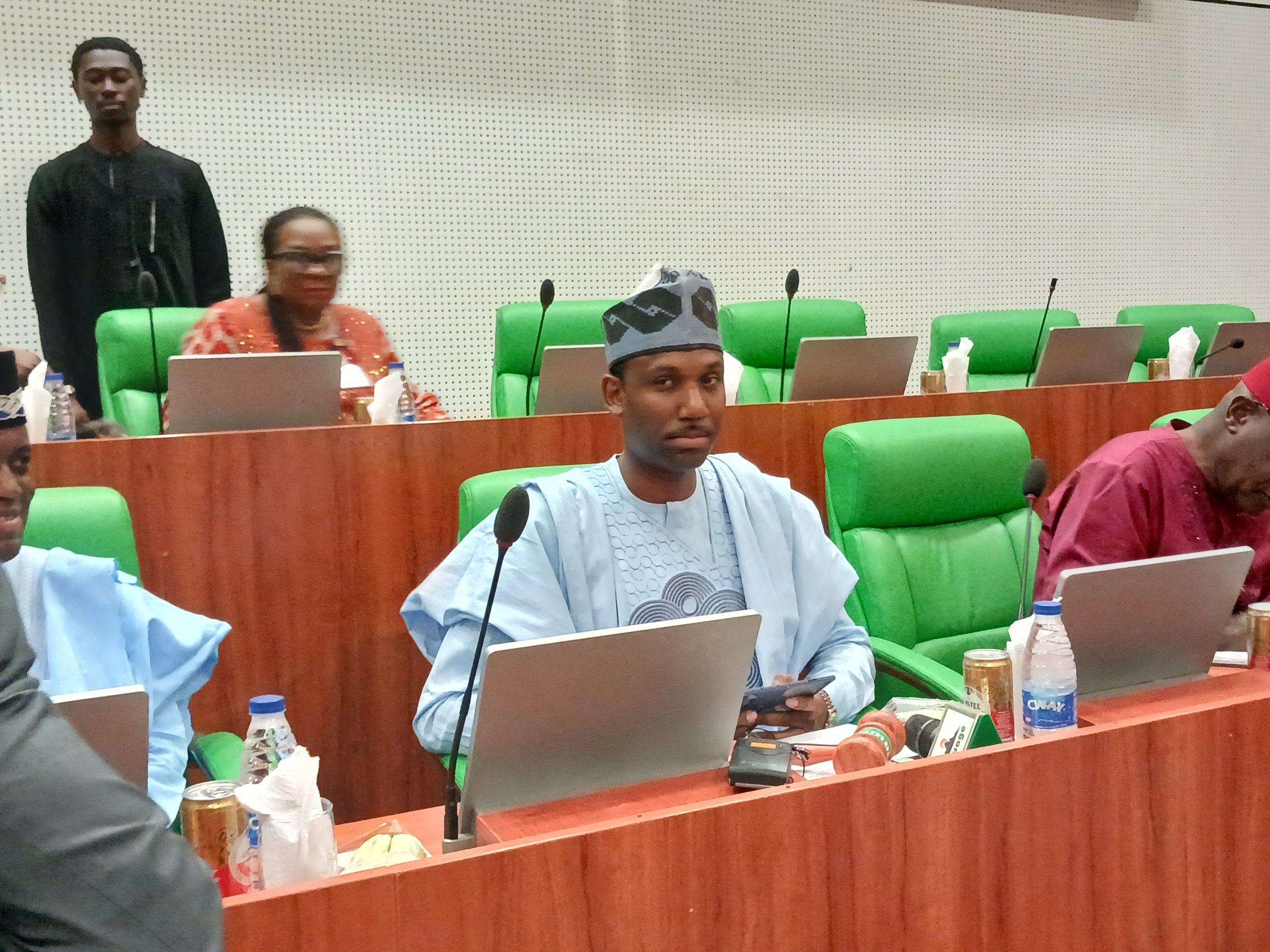
“We are no longer looking at mere fund exhaustion. We are looking for value, for money, and tangible impact,” he said.
He noted that oversight would center on domestic production, SME support, and trade expansion under the African Continental Free Trade Area (AfCFTA).
“Nigeria cannot be a spectator in the continental free trade area. Every policy you bring must show how it lowers costs, creates jobs, and strengthens competitiveness,” he added.
SME Committee Chair: 2025 Interventions Fell Short
Chairman of the House Committee on SMEDAN, Mansur Soro said several SME-focused programs underperformed in 2025 due to limited releases and lingering structural challenges.
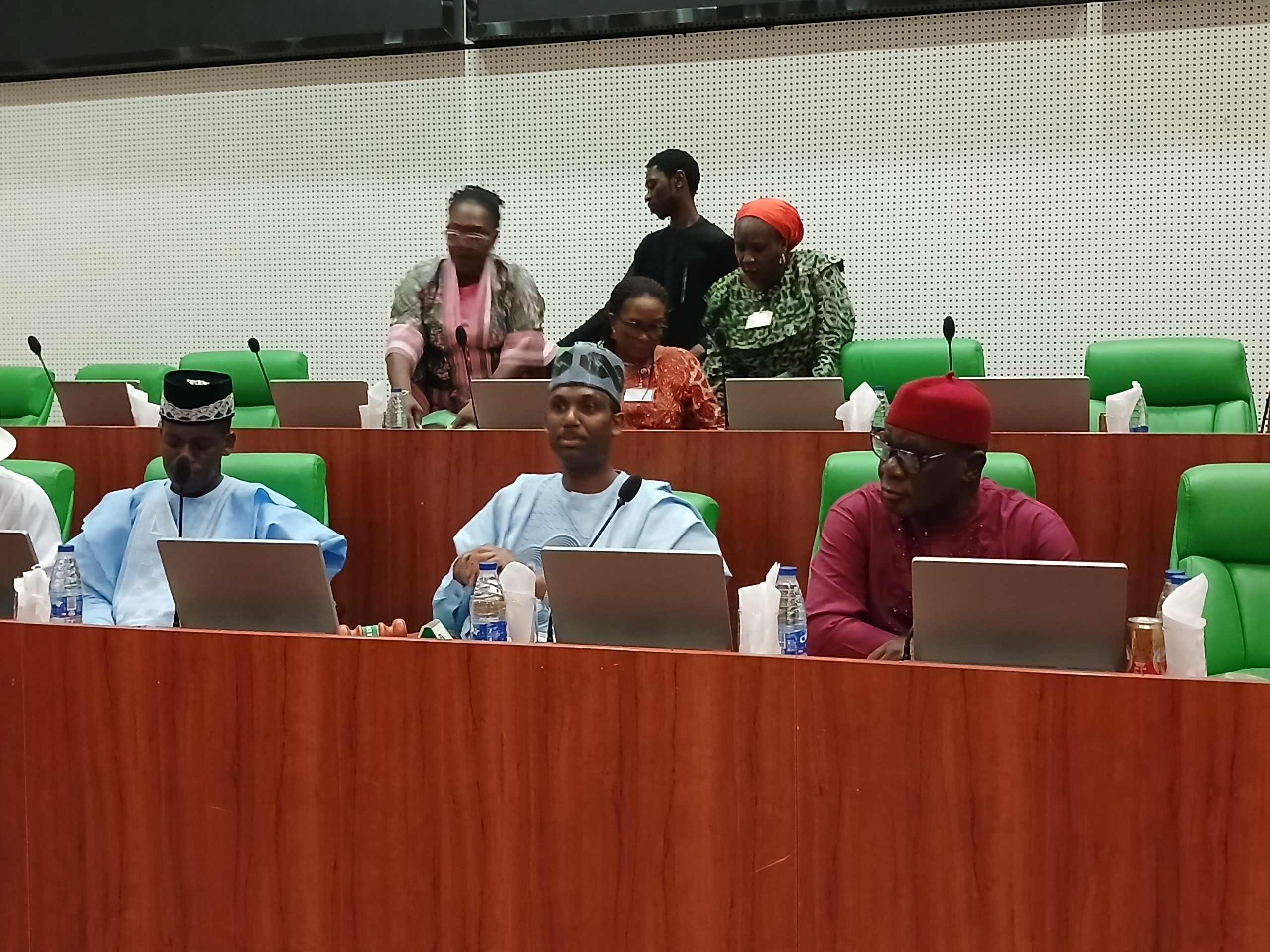
“Several interventions did not achieve their intended targets. This has led to slow growth, constrained job creation, and reduced confidence among small businesses,” he said.
He listed poor access to affordable finance, unstable power supply, and overlapping regulations as major constraints still “suffocating” genuine entrepreneurs.
“As we consider the 2026 proposal, we will insist on clarity of strategy, measurable outcomes, and improved financing access for SMEs,” he said.
Mansur added that lawmakers would go beyond reviewing figures to ensure real accountability.
“Our duty is to interrogate formats and ensure accountability. We must deliver improvements that businesses can feel, not just projections on paper,” he stated.
Push Toward a Production-Based Economy
Lawmakers reaffirmed their commitment to advancing Nigeria’s transition from a consumption-driven to a production-led economy.
Chairman Munir-Lere emphasized that Nigeria’s long-term growth target depends on a strong commerce sector.
“The $1 trillion economy we envision is not a dream. It is a destination, and the commerce sector is the vehicle that will take us there,” he said.
He assured the Minister of the Committee’s support but insisted outcomes must remain measurable, impactful, and citizen-focused.