Listeners:
Top listeners:
-
play_arrow
104.9FM Best rock music demo
-
play_arrow
Demo Radio Nr.1 For New Music And All The Hits!
-
play_arrow
Demo Radio Techno Top Music Radio
-
 play_arrow
Police Commissioner Launches Weapon and Riot Control Training for FCT Officers Democracy Radio
Gbajabiamila Urges Digital Skills Training to Drive Nigeria’s Development
By Oluwakemi Kindness
The Chief of Staff to the President, Femi Gbajabiamila, has described digital capacity building and technological literacy as critical to Nigeria’s economic growth and national development.
He said these skills are central to the administration of President Bola Ahmed Tinubu, which prioritizes innovation and digital transformation.
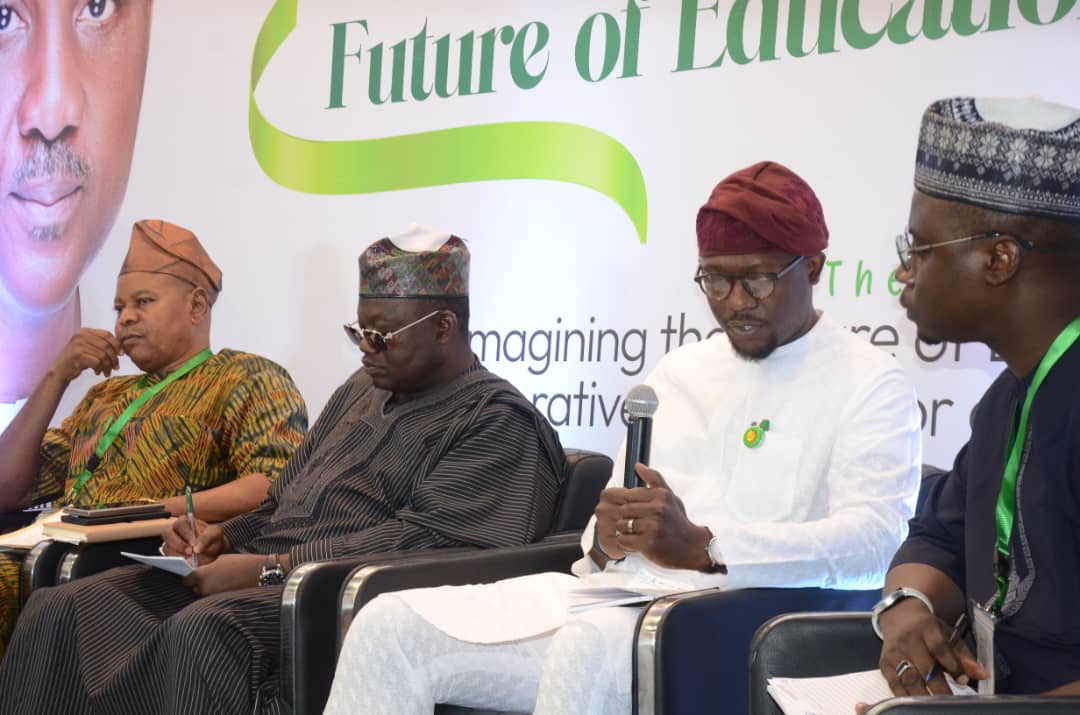
Gbajabiamila made the remarks while delivering a goodwill message at the capacity-building training of the House of Representatives Spouses Association (HORSA), organised in partnership with the National Information Technology Development Agency (NITDA) at the National Assembly complex in Abuja.
Digital Skills as a Driver of Development
He noted that technology is no longer optional but the foundation of modern economies, institutions, and social systems.
Highlighting government initiatives such as the 3 Million Technical Talent (3MTT) Programme, Gbajabiamila said the administration is equipping Nigerians, particularly young people, with globally competitive digital skills.
He added that empowering women leaders with digital capability would accelerate development at the community level, improve access to opportunities, and strengthen civic engagement.
“Their interventions in women empowerment, youth development, health advocacy, education, and social welfare are essential pillars of national development, not peripheral efforts,” he said, referring to the influential role of spouses of public office holders.
Gbajabiamila commended HORSA leadership for prioritising digital capacity building, urging participants to view the training as a strategic empowerment platform that enhances leadership capacity and delivers measurable impact across constituencies.
Focus on Education Reform
Earlier in her remarks, Abisoye Da Rocha-Afodu, Special Adviser to the Speaker on International Cooperation and Educational Development, highlighted Nigeria’s ongoing education challenges.
She noted that the country has over 20 million out-of-school children, the highest globally, with issues including poor infrastructure, weak teacher welfare, outdated curricula, and limited access to technology.
Da Rocha-Afodu said the conference was convened to bring together lawmakers, policymakers, development partners, and stakeholders to identify practical, sustainable solutions.
She emphasised the need to strengthen partnerships between government, private sector, and communities to expand access to quality and inclusive education, particularly for girls and persons with disabilities.
Although the International Day of Education is observed globally on January 24, she explained that the conference was held in February due to the National Assembly’s recess and to allow meaningful engagement ahead of Ramadan.
Legislative initiatives are also underway to ensure accountability for resources allocated to education programmes.
Polytechnic and Higher Education Focus
Speaking on higher education, Fuad Laguda, Chairman of the House Committee on Federal Polytechnic and Higher Technical Education, said the conference provided an opportunity to assess Nigeria’s education system against international benchmarks. He noted that funding remains a major challenge, particularly for polytechnics and technical institutions.
Laguda stressed that collaboration across sectors is essential for meaningful reform.
“Any nation seeking sustainable development must invest heavily in education. Nigeria must raise its ambitions if it hopes to compete effectively on the global stage,” he added.
Programme Goals
The two-day capacity-building programme, holding from 16 to 17 February 2026, focuses on digital literacy and technological competence.
It aligns with national development goals and the broader vision of the administration to strengthen governance, empower women leaders, and promote inclusive growth.