Listeners:
Top listeners:
-
play_arrow
104.9FM Best rock music demo
-
play_arrow
Demo Radio Nr.1 For New Music And All The Hits!
-
play_arrow
Demo Radio Techno Top Music Radio
-
 play_arrow
Police Commissioner Launches Weapon and Riot Control Training for FCT Officers Democracy Radio
Federal Government Set to Overhaul Humanitarian Response
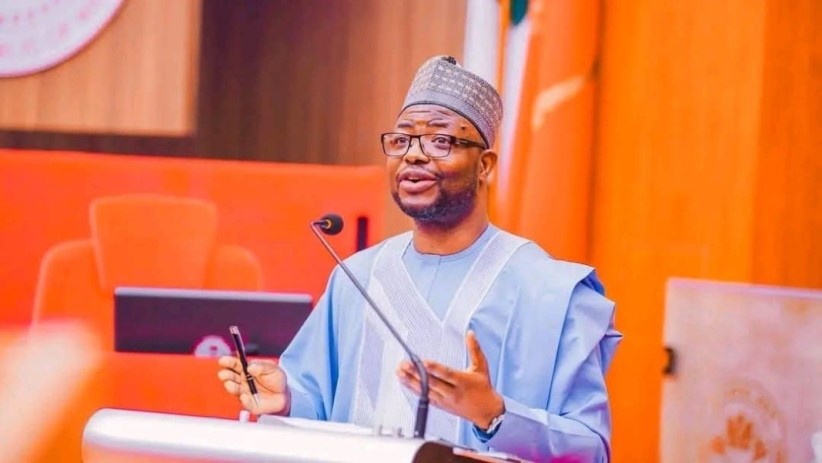
By Oluwakemi Kindness
The Federal Government says it is overhauling Nigeria’s humanitarian response as more than 25 million citizens require assistance each year.
Minister of Humanitarian Affairs and Poverty Reduction, Bernard Doro, who stated this while speaking with newsmen in Abuja said the ministry is finalising a national coordination framework to strengthen humanitarian delivery and poverty reduction across the country.
The framework aims to eliminate fragmented interventions and silo-driven programmes that have limited efficiency and coverage.
Doro said the reform is urgent, with over 60% of Nigerians living in multidimensional poverty and humanitarian needs rising due to insecurity, flooding, urban displacement and economic pressures.
The ministry has also established the National Council on Humanitarian Affairs and Poverty Reduction to align federal, state and local interventions.
The council will harmonise humanitarian efforts with poverty reduction strategies, disaster risk management, climate adaptation and long-term development priorities.
Another key focus is the expansion of the National Social Register, which supports conditional cash transfers.
The programme has reached about 8.3 million households, over 35 million Nigerians, with plans to scale nationwide.
Stakeholders say the reforms reflect the government’s emphasis on social protection under the Renewed Hope Agenda. Policy analysts, however, warn that success will depend on sustained political commitment, reliable funding, and strong data systems to translate policy into measurable local outcomes.