By Sulyman Gobir
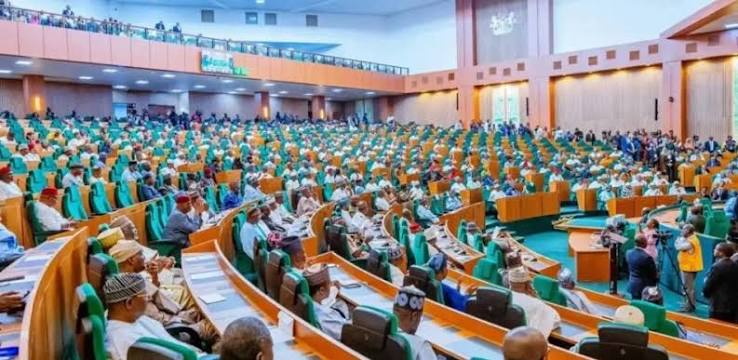
Nigeria’s political system has come under renewed scrutiny, with concerns raised over proposals to return the country to a parliamentary system of government.
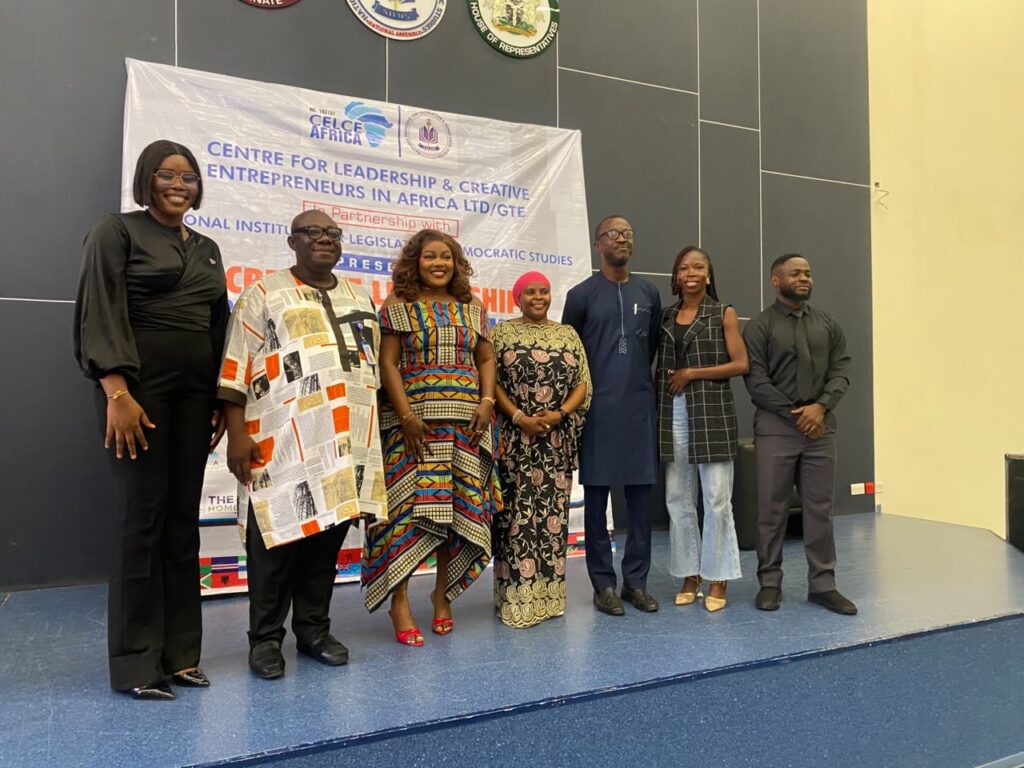
The warning was issued at a public lecture organised by the Department of Democracy and Governance of the National Institute for Legislative and Democratic Studies (NILDS) in Abuja.
The lecture, which focused on Nigeria’s political transition ahead of the 2027 general elections, examined issues surrounding multiparty democracy, internal party democracy and the need for greater emphasis on issue-based political engagement.
Former Special Adviser on Political Affairs, Professor Rufa’i Alikali, said Nigeria’s political realities could make a one-party system difficult to sustain, stressing the importance of maintaining a competitive multiparty democratic system.
Alikali also called for greater understanding and cooperation among political leaders, urging Nigerians to protect democratic governance and the freedoms guaranteed under the democratic system.
The Director-General of NILDS, Professor Abubakar Sulaiman, said the 2027 electoral transition provides an opportunity for political parties to reform their internal structures and present Nigerians with clearer choices on issues affecting the country.
Professor Sulaiman expressed optimism that multiparty democracy would continue to provide citizens with alternatives, promote healthy political competition and create opportunities for improved governance.
Earlier, the Acting Director of the Department of Democracy and Governance, Dr Chris Ngara, explained that the lecture was designed to equip political stakeholders and other participants with the knowledge required to effectively navigate Nigeria’s political landscape ahead of the 2027 elections.
The speakers consequently called for stronger participation by political parties, the electorate and other stakeholders in protecting and strengthening Nigeria’s democratic process.