By Anayo Akwitti
The Human Rights Writers Association of Nigeria (HURIWA) has cautioned the Independent National Electoral Commission (INEC) against relying mainly on workshops, training programmes and internal administrative reforms to restore public confidence in the electoral process ahead of the 2027 general elections.
HURIWA said while strengthening INEC’s operational capacity was necessary, the commission should not mistake internal preparedness for public trust.
The group described continued emphasis on workshops and bureaucratic reforms without concrete, people-centred initiatives as “running around the same house”, insisting that INEC must take its confidence-building efforts directly to Nigerian voters.
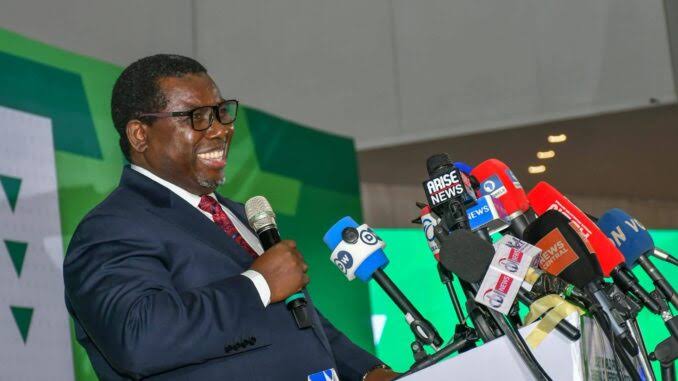
The position followed INEC Chairman, Prof. Joash Amupitan’s announcement that the commission had commenced measures to strengthen its operational machinery ahead of the 2027 elections.
Amupitan, while opening a two-day Strategic Operational Workshop for INEC Administrative Secretaries in Lagos, said the commission had entered the critical six-month preparation window for the 2027 elections and could no longer afford administrative ambiguity or inconsistent operational practices.
However, HURIWA said concerns over voter apathy, declining public trust and misinformation could not be addressed effectively from conference rooms alone.
“INEC must come down from the conference rooms and meet Nigerians where they are. Workshops are good, training is necessary, but neither can substitute for direct engagement with the electorate,” the group said.
HURIWA urged INEC to publish a comprehensive post-Continuous Voter Registration report showing the number of applications received, successful registrations, rejected applications, pending cases and registration-related challenges across the states and the Federal Capital Territory.
The group noted INEC’s disclosure that 10,772,421 new registrants were captured during the three phases of the CVR exercise conducted between August 2025 and July 2026.
It, however, warned that the figure should not obscure the number of eligible Nigerians who may have been excluded because of logistical, technological, geographical or awareness-related challenges.
HURIWA also called for a structured and continuous engagement framework between INEC and civil society organisations, professional associations, youth and women groups, disability-rights organisations, community-based organisations, traditional institutions and religious leaders.
According to the association, such consultations should extend beyond occasional meetings in Abuja to the six geopolitical zones, communities and local government areas where voters can directly raise concerns about the electoral process.
It further urged INEC to establish a transparent Electoral Complaints and Response Mechanism that would enable voters and stakeholders to lodge complaints, receive acknowledgement and track the progress of their cases.