By Julian Osamoto
The Independent National Electoral Commission, INEC, says it has completed Continuous Voter Registration, CVR, and is preparing for the collection of Permanent Voter Cards, PVCs, ahead of Nigeria’s 2027 general election
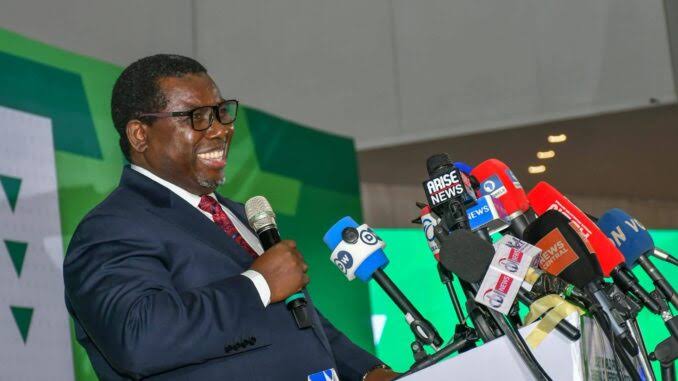
The commission disclosed this on Thursday in Abuja, at a Democracy and Governance Forum organised by West Africa Democracy Radio, WADR, to examine Nigeria’s democratic process ahead of the elections.
Representing the INEC Chairman Joash Amupitan, Director Planning and Monitoring Department, Helen Ajayi said preparations had moved from planning to intensified operational readiness as the 2027 elections draws near.
INEC said it had also completed the display of the preliminary voters’ register for claims and objections, while the generation of the electronic register for nationwide display and synchronisation of CVR data were ongoing.
INEC also disclosed that it has trained state-level staff from Grade Level 8 to 16 as part of efforts to strengthen election administration ahead of the polls.
On election technology, INEC said it was improving BVAS and its results management processes to strengthen transparency and visibility throughout the results chain.
In his presentation executive director Centre for Democracy and Development, CDD, Garuba Dauda stressed that electoral preparations must go beyond logistics and technology to address declining public confidence in democratic institutions.
According to Dauda economic hardship, insecurity and weak links between elections and everyday governance were undermining citizens’ confidence and could create conditions for vote buying and other electoral malpractice.
He called for stronger accountability in governance and greater civic engagement, urging citizens to connect their electoral choices with the performance of elected officials between elections.
Dauda maintained that the credibility of the 2027 elections would depend not only on whether elections were conducted, but also on if citizens could trust that the results reflected their votes.
Delivering the keynote address, WADR Board Member, Dr Muhammad Kudu-Abubakar, identified accountability, security and electoral integrity as critical to the credibility of the 2027 elections.
Dr Kudu-Abubakar called for stronger coordination among security agencies and more effective prosecution of electoral offences, including vote buying.
He however urged the media to strengthen fact-checking, counter election-related misinformation and prepare for the growing use of artificial intelligence to counter deceptive content.
Managing Director of West Africa Democracy Radio (WADR), Agnes Thomasi, said the forum was designed to provide a platform for stakeholders to examine Nigeria’s democratic process ahead of the 2027 general election, with particular focus on accountability, security and electoral integrity.
The Forum brought together electoral stakeholders, civil society organisations, media practitioners and other democracy advocates to examine Nigeria’s preparations for the 2027 elections and the wider challenges facing democratic governance.
The presidential and National Assembly elections are scheduled for 16 January 2027, while governorship and State House of Assembly elections are scheduled for 6 February 2027.