By Julian Osamoto
Stakeholders in the nation’s electoral system have raised concerns over the implementation of electoral reforms, including BVAS functionality, electronic transmission of results and accountability for electoral offences ahead of the 2027 general election.
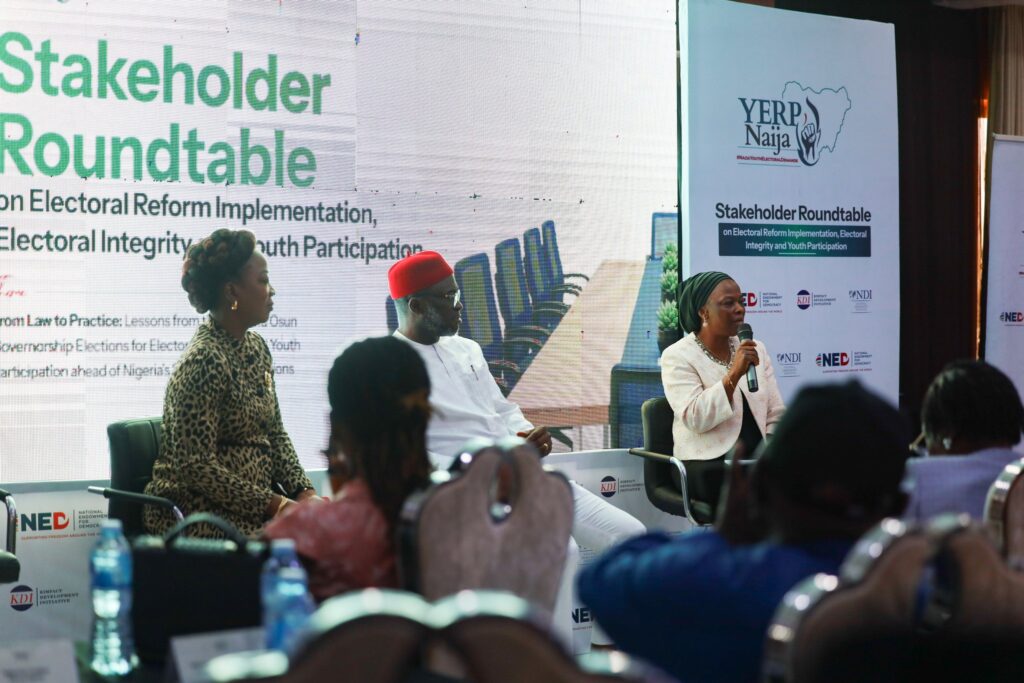
The concerns were raised at a multi-stakeholder roundtable on electoral reform, integrity and youth participation, organised in Abuja on Wednesday by Kimpact Development Initiative, KDI, under the Youth-led Electoral Reform Project, YERP.
Presenting findings from recent elections, the Head of Research and Programmes at KDI, Oluwafemi Adebayo, said election observation data showed varying levels of BVAS functionality in the 2021 Anambra and 2026 Ekiti and Osun governorship elections.
Adebayo said BVAS functionality was about 96 per cent during the 2021 Anambra election and about 92 per cent in Ekiti. “KDI recorded a 15 per cent BVAS failure rate in Osun, while YIAGA Africa recorded a failure rate of about 20 per cent”.
Adebayo who stressed that the figures required attention ahead of the 2027 general election, also raised concerns about electronic transmission of results through the INEC Result Viewing Portal, IReV.
“observers reported batch uploads of results in Ekiti and a pause of about two hours in result uploads during the Osun election”.
On election offences, Adebayo called for stronger mechanisms to investigate and prosecute electoral offenders.
He cited the arrest of about 295 people by the police in Osun during the election period, saying about 293 were subsequently released, leaving two in custody at the time of the assessment.
He renewed calls for the establishment of an Electoral Offences Commission.
Also presenting an assessment of the implementation of the Electoral Act 2026, the New Generation Girls and Women Development Initiative, NGYouth, said it deployed 49 trained youth legal-compliance assessors across Ekiti and Osun.
NGYouth representative Shegun Afolabi said the assessors covered 46 local government areas, comprising all 16 local governments in Ekiti and 30 in Osun.
He said they monitored electronic transmission of results, BVAS accreditation, downloadable Permanent Voter Cards and youth participation.
Afolabi said downloadable PVCs were not used during the Ekiti election but were deployed during the Osun election.
Also speaking, the Chairman of the Independent Corrupt Practices and Other Related Offences Commission, ICPC, Dr Musa Aliyu, said electoral integrity remained central to the fight against corruption.
Dr Aliyu maintained that corruption in the electoral process could undermine public confidence, distort citizens’ choices and weaken democratic institutions.
He called for stronger systems to promote transparency, accountability and compliance with electoral laws.
Resident Country Director of the National Democratic Institute, NDI, Francis Madugu, identified the growing adoption of technology in Nigeria’s electoral process as another area requiring sustained assessment.
According to him, electoral institutions, civil society organisations and the media have critical roles to play in explaining the reforms to citizens and strengthening public understanding of the electoral process.
The event, brought together stakeholders to reflect on lessons from the recent Ekiti and Osun governorship elections and identify priorities for strengthening Nigeria’s electoral process ahead of the 2027 general elections.