By Oluwakemi Kindness
Food system stakeholders have called on the Lagos State House of Assembly to ban genetically modified organisms (GMOs), citing concerns about food safety, biodiversity and farmers’ rights.
The groups made the call in a position paper presented during an awareness rally in Lagos on Thursday.
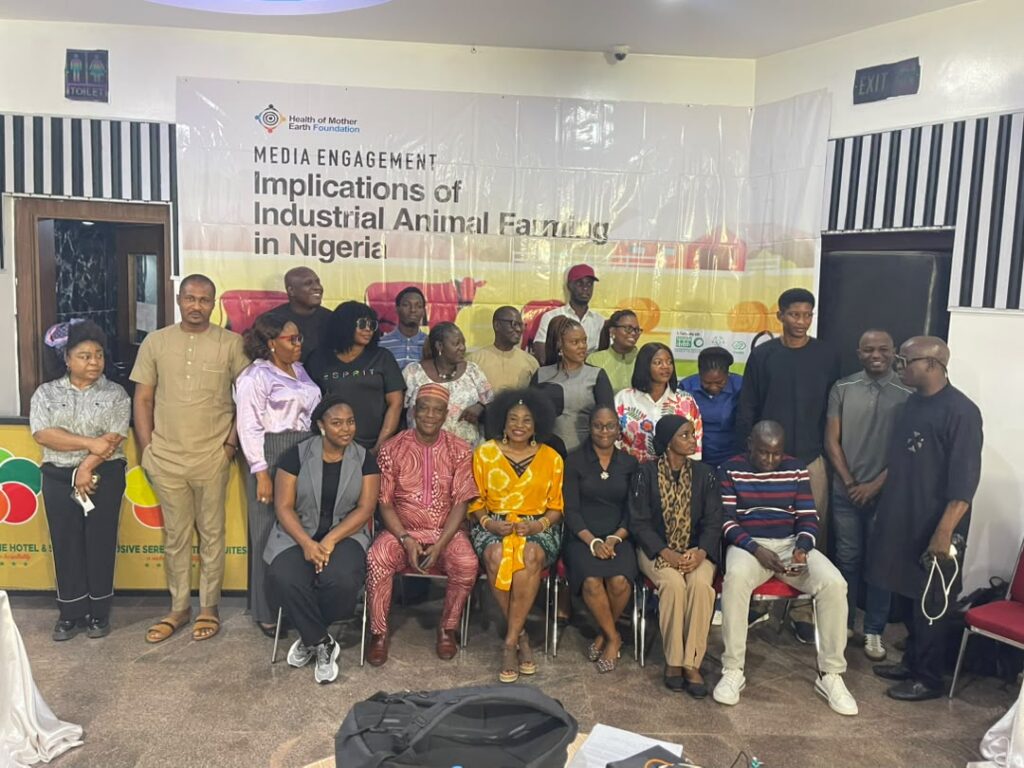
The rally was organised by the Health of Mother Earth Foundation (HOMEF), Environmental Rights Action, Corporate Accountability and Public Participation Africa (CAPPA), Kebetkache Women Development and Resource Centre, the GMO-Free Nigeria Alliance and other organisations.
The coalition called for existing GMO approvals to be reversed and for an investigation into the potential long-term effects of genetically modified products on human health and the environment.
HOMEF Director of Programmes, Joyce Brown, said more than 30 countries had imposed partial or total restrictions on GMOs, citing concerns including threats to biodiversity.
She urged Lagos to introduce a ban, saying it could encourage other states to take similar action. Brown also referred to a 2024 motion in the House of Representatives seeking the suspension of GMOs and an investigation into existing approvals.
Molecular biologist and public health policy analyst Dr Ifeanyi Casmir also called for a transparent biotechnology policy based on the precautionary principle and public interest.
He raised concerns about potential allergic reactions, toxicity, reproductive effects and environmental risks. He also cited research reporting the presence of Cry toxins in the blood of pregnant women and umbilical cord blood, arguing that the findings required further investigation.
CAPPA Associate Director Olamide Martins said Nigeria had approved more than 20 GMO products since 2016 for commercial cultivation and use in food, animal feed and processing.
He questioned whether adequate long-term, independent assessments had been conducted to establish the potential risks to human health and the environment.
The coalition also expressed concern that patents on genetically modified seeds could restrict farmers’ ability to save and share seeds, leaving them more dependent on seed companies.
HOMEF Project Officer Esele Ojeanelo who said the government should protect farmers’ rights to preserve indigenous crop varieties, maintain control over their farming practices, called for greater investment in agroecology as well as support for smallholder farmers.
They also urged the government to tackle insecurity affecting access to farms, improve agricultural extension services and infrastructure, and expand access to land and markets, particularly for women and young people.
Editted by Julian Osamoto