By Oluwakemi Kindness
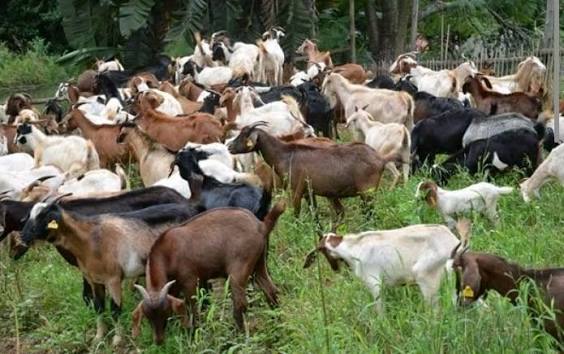
The expansion of industrial animal farming in Nigeria could threaten smallholder farmers’ livelihoods, expose rural communities to environmental pollution and raise concerns about the country’s long-term food security, civil society organisations have warned.
The concerns come amid a proposed $2.5 billion investment by global meat-processing company JBS in Nigeria, involving six livestock processing facilities: three poultry plants, two beef processing plants and one pork facility.
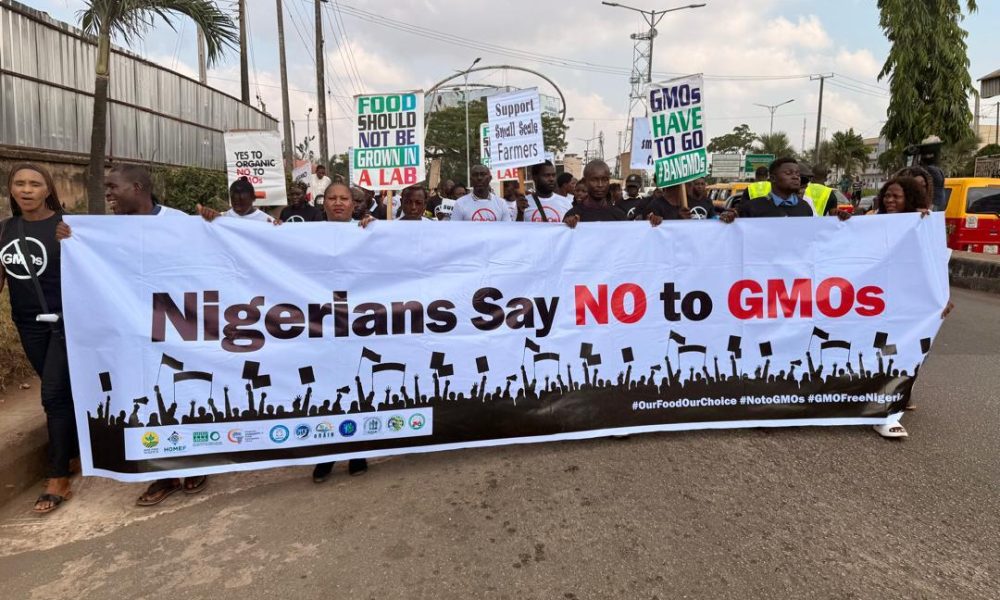
The Health of Mother Earth Foundation (HOMEF), Environmental Rights Action (ERA) and other civil society organisations have called for the suspension of the proposed investment pending independent environmental and social impact assessments.
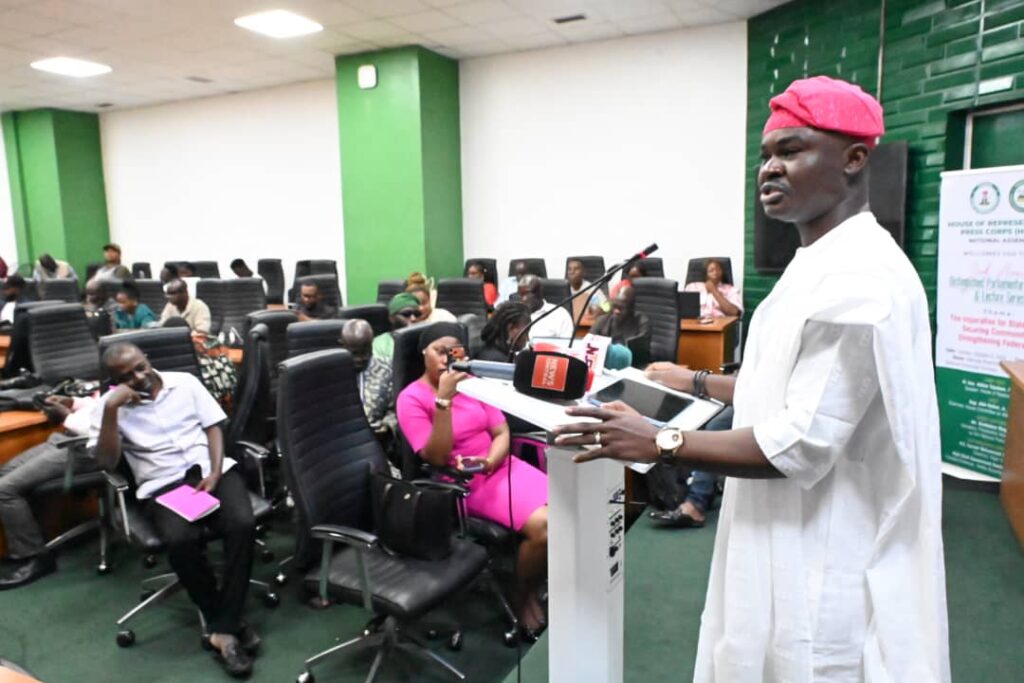
Speaking at a media training on industrial animal farming in Abuja on Wednesday, HOMEF Programme Lead, Joyce Brown, said no environmental or social impact assessment had been conducted for the project.
She called for the investment agreement to be made public and relevant stakeholders consulted before the project proceeds. Brown also questioned how the investment would improve the welfare of ordinary Nigerians.
Threat to smallholder farmers
The Deputy Executive Director of Environmental Rights Action, Mariann Bassey-Olsson, said the proposed investment should be assessed beyond its financial value, particularly its implications for local farmers.
She questioned whether smallholder producers would retain access to markets and fair prices or become increasingly dependent on large livestock companies.
Bassey-Olsson called for the disclosure of the agreement, including land arrangements, government incentives and commitments on local sourcing, employment and skills development.
Similarly, Programme Manager of the Youth in Agroecology and Restoration Network (YARN), Oluwaseyi Olawuyi, warned that the concentration of industrial animal farms could put pressure on smallholder farmers and local livelihoods.
He cited environmental degradation, high resource demands, difficult working conditions and possible displacement as concerns associated with intensive livestock production.
Olawuyi advocated agroecological and regenerative farming, integrated crop-livestock production and diversified protein sources, saying these approaches could improve soil fertility, conserve water and provide farmers with more resilient incomes.
Communities face environmental concerns
Founder and Team Lead of Youth for Environmental Sustainability and Development (YESD), Adesuwa James-Jang, highlighted the potential environmental and health implications of large-scale agricultural operations.
Citing a study by YESD, she said 76.7 per cent of respondents reported experiencing air pollution around industrial agricultural projects, while 63.3 per cent reported water contamination. Another 60 per cent said they had lost farmland to industrial agriculture projects.
Jang also cited the Kara abattoir, which serves Lagos and surrounding areas, as an example of livestock waste-management challenges.
According to her presentation, blood and wash water from slaughtering activities enter the Ogun River without treatment, while cattle drink from and are washed in the river.
She said residents also depend on the water for domestic activities, raising concerns about their exposure to pollution.
Her presentation further highlighted waste-disposal problems around slaughterhouses in Lagos, Ubakala in Abia State and Makurdi in Benue State, as well as concerns about land acquisition, deforestation and chemical use.
Implications for food security
The speakers also questioned whether greater reliance on industrial livestock production would strengthen Nigeria’s long-term food security.
Olawuyi said sustainable food systems should protect natural resources while ensuring food remains available, affordable and nutritious.
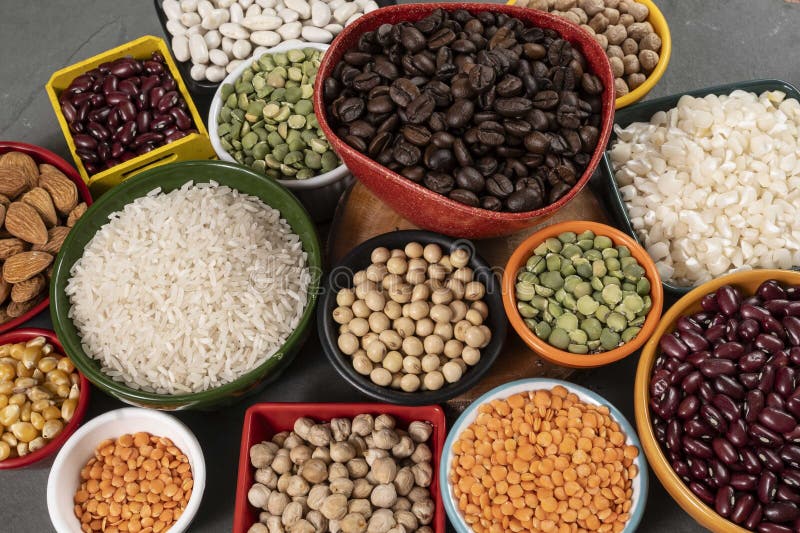
He recommended diversifying protein sources through beans, cowpeas, soybeans, nuts and sustainable aquaculture, alongside better integration of crop and livestock production.
Bassey-Olsson called for clear environmental and social safeguards for major livestock investments, covering land, water, waste management, emissions, biodiversity, animal health and food safety.
The organisations also demanded independent monitoring and measures to ensure local farmers and affected communities benefit from major investments in the livestock sector.
Brown maintained that the proposed JBS investment should remain suspended until the necessary assessments were conducted, stakeholders consulted and the agreement disclosed.
The organisations said Nigeria could attract foreign investment without compromising farmers’ livelihoods, community welfare and environmental sustainability.