Akwa Ibom State has began a review of its Draft Animal Health Bill as stakeholders warn that outdated laws, weak disease surveillance systems are increasing the State’s vulnerability to zoonotic outbreaks and food safety threats.
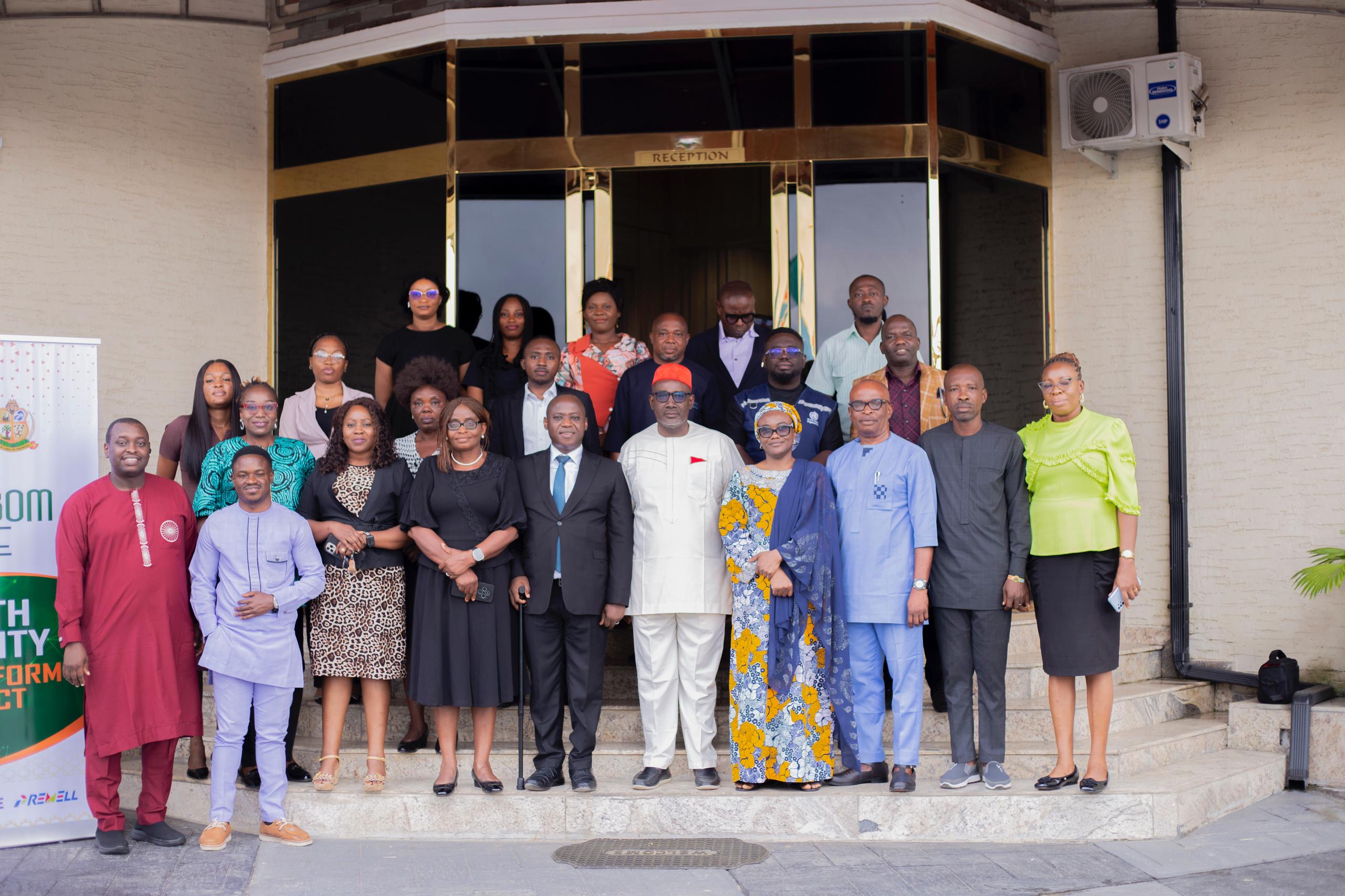
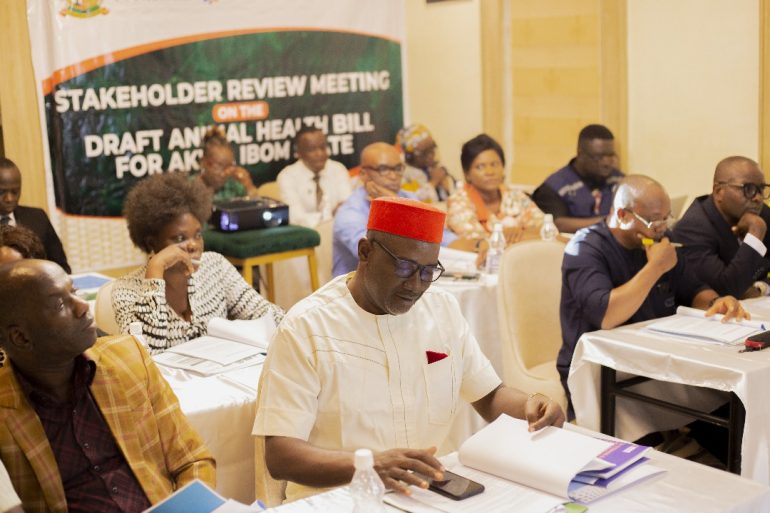
The four days review meeting, which commenced on Tuesday December 2nd in Uyo, brings together officials from the Ministry of Agriculture, Resolve to Save Lives (RTSL), Orixine Consulting, the Federal Ministry of Agriculture, and the Nigeria Centre for Disease Control and Prevention (NCDC).
Stakeholders in Akwa Ibom review the Draft Animal Health Bill to strengthen disease surveillance, food safety regulations, and One Health coordination.
This follows the 2024 Legal Assessment Report, which highlighted critical gaps in animal disease reporting, laboratory capacity, abattoir regulation, and coordination across the animal, human, and environmental health sectors.
Speaking on behalf of the Commissioner for Agriculture, the Director of Veterinary Services, Dr. Teddy Essien, said the State must urgently modernise its legal framework to prevent outbreaks.
“We must strengthen our legal framework to ensure accountability, improve coordination, and achieve better disease prevention outcomes,” he told participants.
Representing the Attorney General and Commissioner for Justice, Barr. Emmanuel Essien, Director of Legal Drafting, said the Ministry of Justice has been part of the reform process from inception and remains committed to the overhaul.
“The review and update of the document reflect positive development within the State, and the Ministry is pleased to support this process,” he noted.
Officials from other sectors also stressed the urgency of the reform.
According to Mrs. Unwana Udoette of the Ministry of Environment expressed confident that the outcome would produce a “strong legal framework for disease control.
Mr. Aniefiok Akpan of the Ministry of Local Government urged participants to ensure “fruitful deliberations,”
Also speaking Mrs. Charity Jonah from the Ministry of Trade and Investment raised concerns about poor food safety standards and the misuse of chemicals in markets issues and encouraged stakeholders to address it.
RTSL’s Senior Technical Advisor for Event-Based Surveillance, Dr. Rabi Usman, warned that most emerging human diseases are zoonotic and requires stronger laws as well as better coordination.
“Many human diseases today come from animals. Stronger legislation will improve readiness, and we are pleased to support Akwa Ibom,” she said.
She also noted that RTSL has supported legal and public health reforms in Kaduna, Kano, Jigawa, and several other states, including ongoing processes in Kebbi, Enugu, Ogun, Nasarawa, and Cross River.
Representing Orixine Consulting, Barr. Aniekan Akpan described the Bill as central to improving animal and public health in the State.
“This initiative is a bold and commendable step,” he said, reaffirming Orixine’s commitment to the drafting, review, and harmonization work.
Following the legal review presentations, stakeholders began clause-by-clause analysis of the Draft Animal Health Bill.
Key focus areas include the establishment of State Veterinary Services, improved surveillance and reporting systems, animal movement control, abattoir regulation, waste management responsibilities, and the integration of One Health coordination mechanisms.
Participants from federal and state institutions are expected to ensure that the Bill aligns with national frameworks, including the International Health Regulations (IHR 2005) and the National Animal Disease Surveillance System.
The four-day meeting which is to end on Friday, December 5, will ensure harmonised draft and a legislative roadmap for submission to the State Executive Council.
 play_arrow