Listeners:
Top listeners:
-
play_arrow
104.9FM Best rock music demo
-
play_arrow
Demo Radio Nr.1 For New Music And All The Hits!
-
play_arrow
Demo Radio Techno Top Music Radio
-
 play_arrow
Police Commissioner Launches Weapon and Riot Control Training for FCT Officers Democracy Radio

CBN Highlights Structural Reforms Driving Nigeria’s Economic Stability
By Oluwakemi Kindness
The Governor of the Central Bank of Nigeria (CBN), Olayemi Cardoso, says Nigeria’s recent economic gains are the result of structural reforms that are creating lasting stability, boosting investor confidence, and enhancing the country’s global financial standing.
FX Market Now Fully Market-Driven
Speaking at the final Monetary Policy Committee (MPC) briefing of 2025, Cardoso noted that Nigeria’s foreign exchange market now operates with unprecedented transparency.
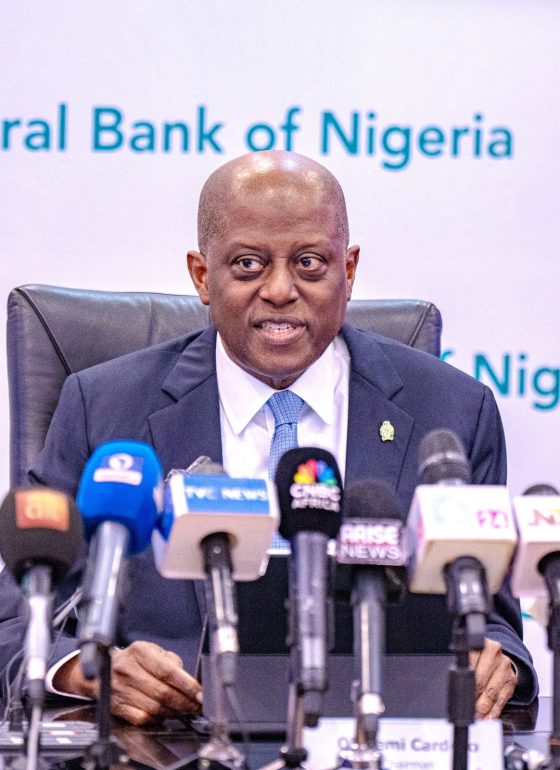
Average daily FX turnover has reached around $500 million, often without CBN intervention, a significant shift from previous years.
He also highlighted that the exchange-rate gap between the official and parallel markets has narrowed from 60% to about 2%, crediting policy discipline, transparency, and the EFEMS trading platform.
Nigerians can now travel and transact more easily with Naira cards, reflecting growing confidence in the local currency.
Nigeria’s FATF Grey List Exit Boosts Global Credibility
Cardoso described Nigeria’s removal from the Financial Action Task Force (FATF) grey list as a key milestone that strengthens the nation’s international financial profile. He noted the move will:
• Improve correspondent banking relationships
• Enhance foreign investment inflows
• Make international remittances more competitive
The Governor credited this achievement to collaboration among national agencies, including the CBN, NFIU, SEC, EFCC, and Ministry of Finance.
Inflation Has Fallen
Addressing the cost of living, Cardoso acknowledged that headline inflation has declined from over 34% last year to about 16%, though many households have yet to feel significant relief.
He stressed that macro stability comes first, followed by investment and growth, with renewed investor confidence expected to eventually ease pressures on households.
Commitment to Long-Term Growth
Cardoso added that the CBN will continue to pursue steady, predictable policies aimed at sustainable economic growth, rather than short-term fixes, ensuring Nigeria’s economy remains resilient and globally competitive.