By Oluwakemi Kindness
The Nigeria Customs Service is strengthening its capacity to detect suspicious cash movements and unusual trade transactions as part of efforts to tackle money laundering and the financing of terrorism across Nigeria’s borders.
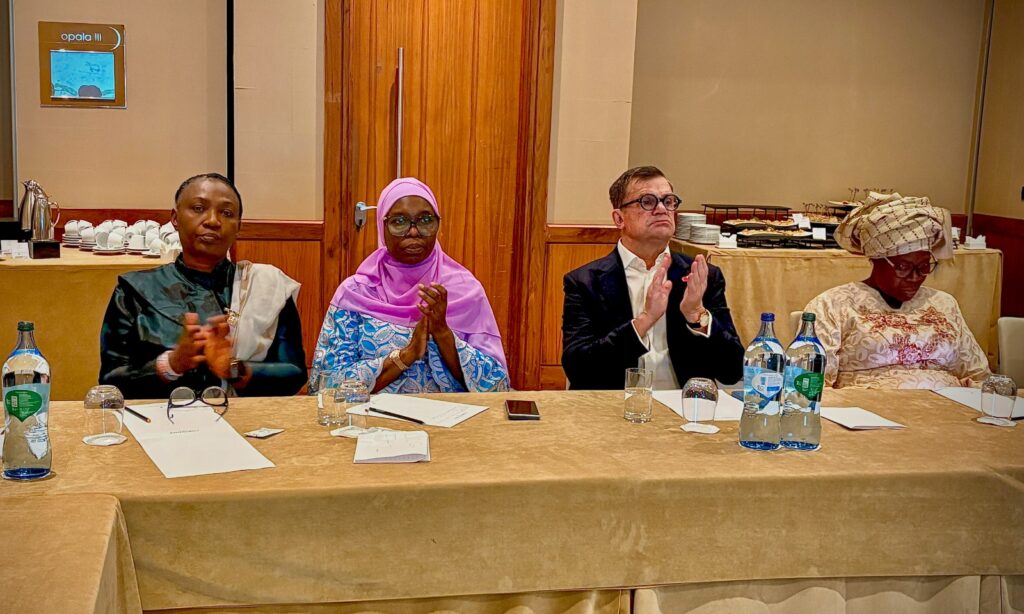
The initiative followed a mentoring mission conducted in collaboration with the World Customs Organisation (WCO), which trained 120 officers from Customs and five other law enforcement and financial intelligence agencies.
A statement on Sunday in Abuja by Abdulahi Maiwada, Customs spokesperson, says the training, which began in Abuja on November 2 and ended in Lagos on November 12, brought together 60 participants in each city.
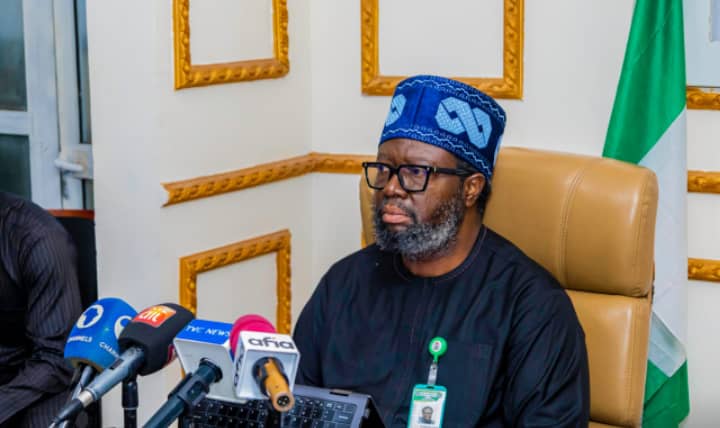
Speaking at the Abuja session, Acting Deputy Comptroller-General of Customs in charge of Strategic Research and Policy, Nafiu Isiaku, said tackling financial crimes required stronger institutional systems, skilled personnel and effective information sharing.
Representing the Comptroller-General of Customs and the Service’s management, Isiaku said cross-border financial crimes required sustained cooperation among relevant agencies because they extended beyond national borders and individual agency mandates.
The mission assessed existing mechanisms for identifying financial crime risks, detecting suspicious movements, sharing intelligence and referring cases for further investigation.
It also examined suspicious cash movements, unusual trade transactions, questionable invoices and the movement of valuable commodities, including gold and gemstones, as potential indicators of wider financial crimes.
The subsequent training covered financial intelligence, risk indicators, investigation and information management, with WCO experts providing technical guidance on emerging financial crime trends and institutional responses.
The WCO team acknowledged the Customs Service’s support and hospitality, stressing the importance of mutual trust, experience-sharing and effective communication among agencies.
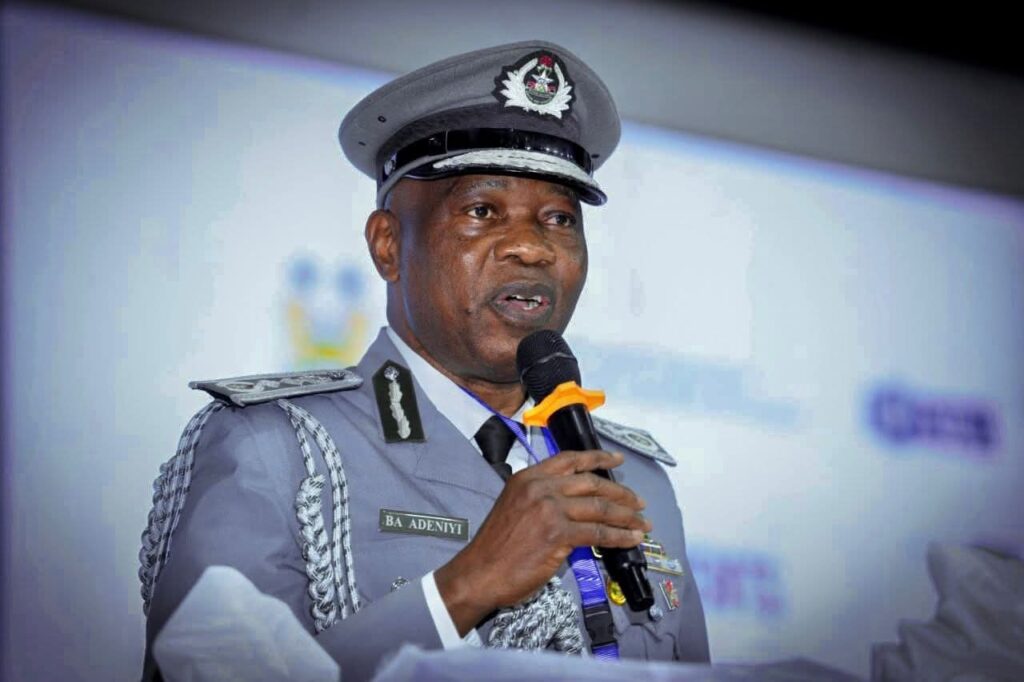
At the closing ceremony in Lagos, Deputy Comptroller-General of Customs in charge of Human Resource Development, Dow Gaura, urged participants to apply the knowledge acquired to improve operational performance.
“I urge you all to put the knowledge acquired into practice and ensure that the training translates into improved performance across our operations,” Gaura said.
He thanked the WCO for its technical support and the United States Department of State, through its Bureau of International Narcotics and Law Enforcement Affairs, for funding the mentoring mission.