Listeners:
Top listeners:
-
play_arrow
104.9FM Best rock music demo
-
play_arrow
Demo Radio Nr.1 For New Music And All The Hits!
-
play_arrow
Demo Radio Techno Top Music Radio
-
 play_arrow
Police Commissioner Launches Weapon and Riot Control Training for FCT Officers Democracy Radio
FCT Polls: Late Openings, Vote-Buying Mar Area Council Elections — CSOs
By Julian Osamoto
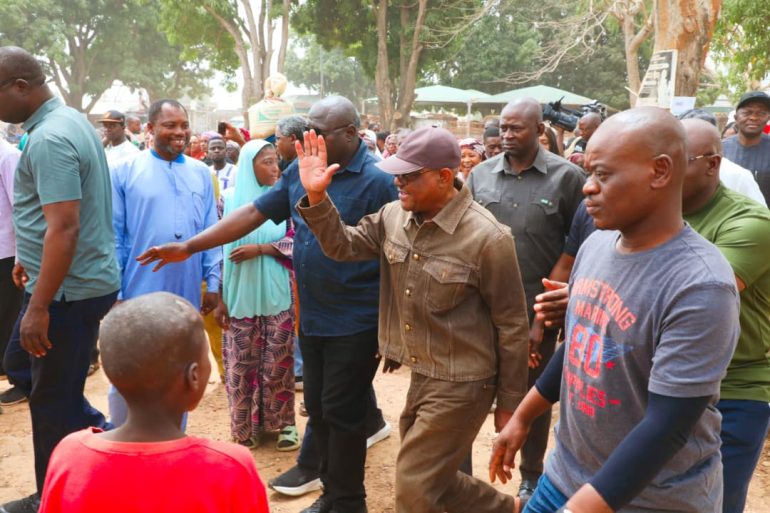
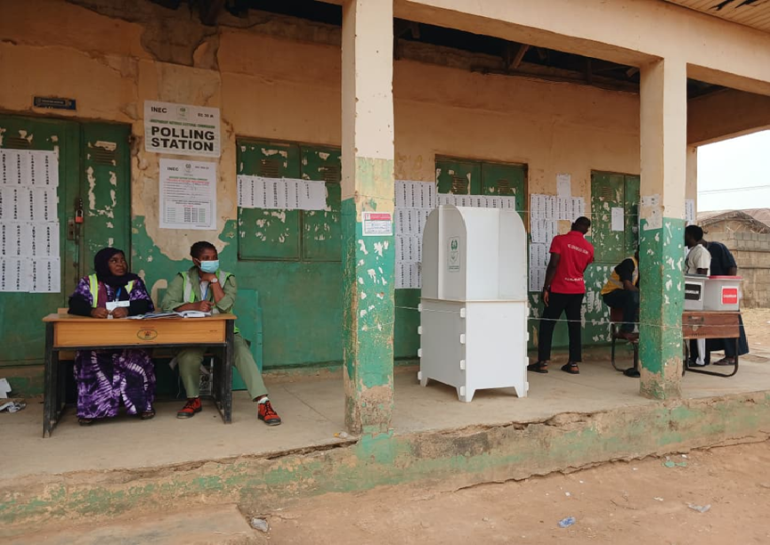
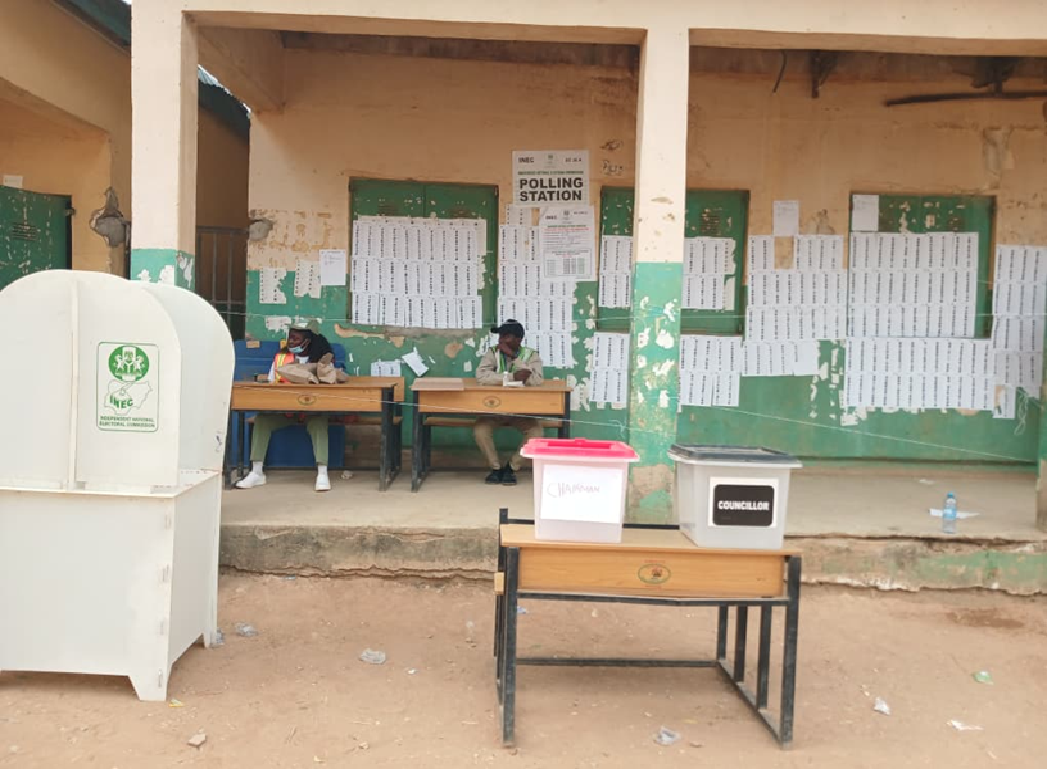
The Nigeria Civil Society Situation Room says voting in the 2026 Area Council elections across the Federal Capital Territory has remained largely peaceful, but early reports point to late poll openings, vote-buying and limited support for persons with disabilities.
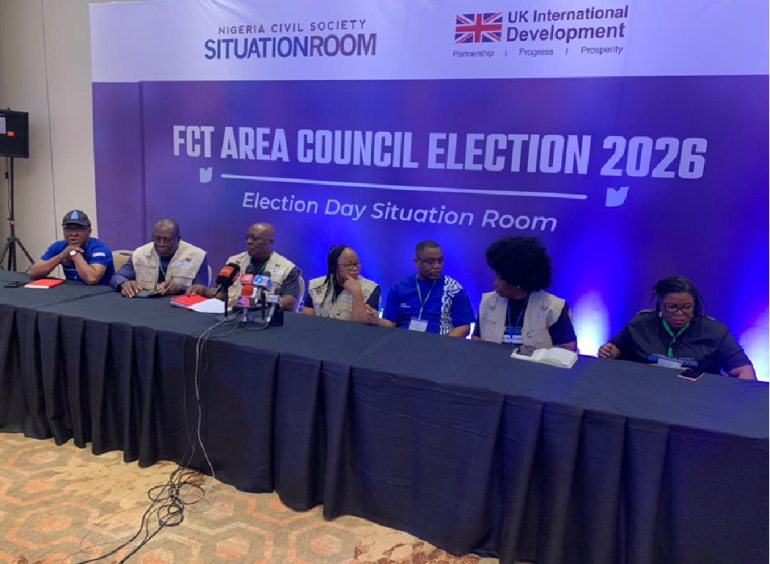
In a midday briefing in Abuja, co-conveners Celestine Odo and Mma Odi said observers deployed across the territory, alongside partner groups such as the Kimpact Development Initiative, CLEEN Foundation and Inclusive Friends Association, tracked the process through field monitors and a citizens’ reporting app.
Late Poll Openings
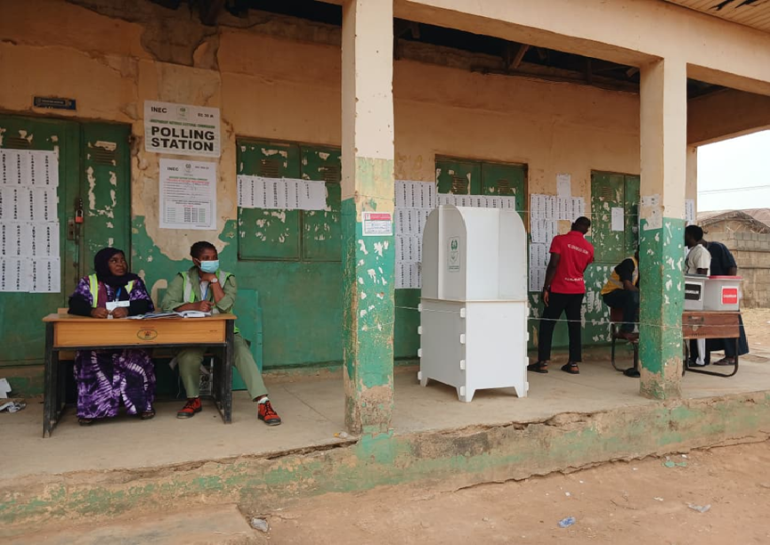
According to the coalition, many polling units opened late, with an average start time around 9:15am due to delayed arrival of officials and materials from the Independent National Electoral Commission.
“However, some locations in Kwali Area Council opened on time, showing what observers described as uneven logistics management”.
Slow Turnout, Voter Confusion
The Group revealed that early turnout was low in parts of Abuja Municipal Area Council AMAC, with residents seen going about their routine activities. Participation picked up later in Kuje, Kwali, Gwagwalada and Abaji as queues formed.
Observers also noted that some voters struggled to find relocated polling units, despite text alerts from INEC, saying the notice was too short to allow proper verification.
Technology Performance
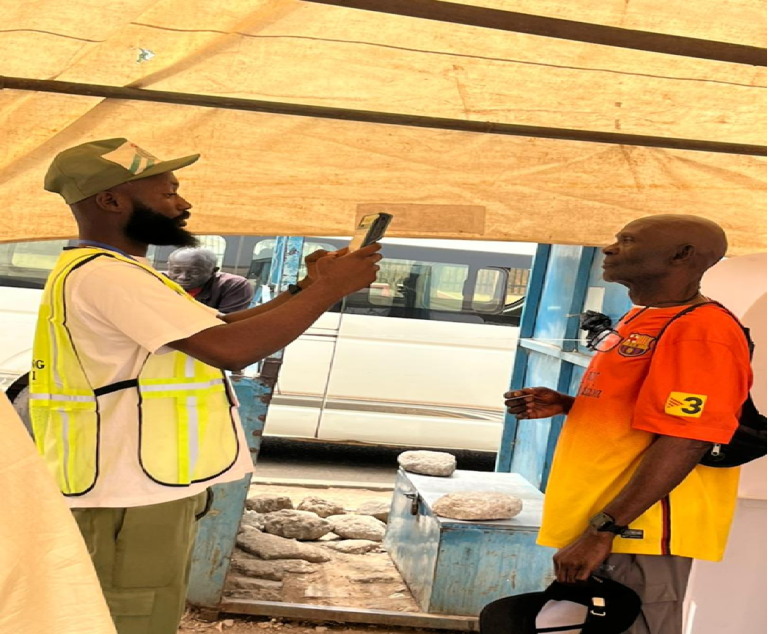
The Nigeria Civil Society Situation Room also said Bimodal Voter Accreditation System (BVAS) generally worked well, accrediting voters in about a minute on average. But isolated malfunctions were reported in Gwako, Gwagwalada, and parts of central Abuja.
Security and Conduct
“Security presence was heavy but mostly professional, with personnel from the Nigeria Police Force and Nigeria Security and Civil Defence Corps among others stationed at polling units”.
“Still, a few incidents of intimidation were reported in Rubochi (Kuje), Ebagi and Abaji, while in Gwako, Gwagwalada, security agents intervened after a voter arrived with a cutlass”.
Vote Buying, Party Conduct
According to the CSO observers vote-buying occurred in several locations, including parts of Gidan Mangoro Ward in AMAC, where payments reached ₦10,000 per vote.
In Kayada Primary School, Kuje, a party agent was seen wearing both a party tag and an INEC Assistant Presiding Officer jacket, raising concerns about neutrality at polling units.
Disability Access Concerns
The coalition also flagged limited access for persons with disabilities. While Form EC30E for deaf voters was available in some units, braille ballot guides and magnifying glasses were largely missing.
In Karimajiji, a known disability settlement, observers said none of the assistive materials were provided.
Stakeholders Call
Despite the concerns, the Situation Room commended INEC’s FCT help desk for responding quickly to complaints and urged all stakeholders to maintain calm as voting and collation continue. “Peace has held so far,” the co-conveners said, “but electoral integrity depends on addressing these issues before results are finalised.”