By Halima Adisa
Legal experts have called for stronger regulation of artificial intelligence (AI) in Nigeria’s justice system, warning that its misuse could undermine human judgment, deepen inequality and compromise access to justice.
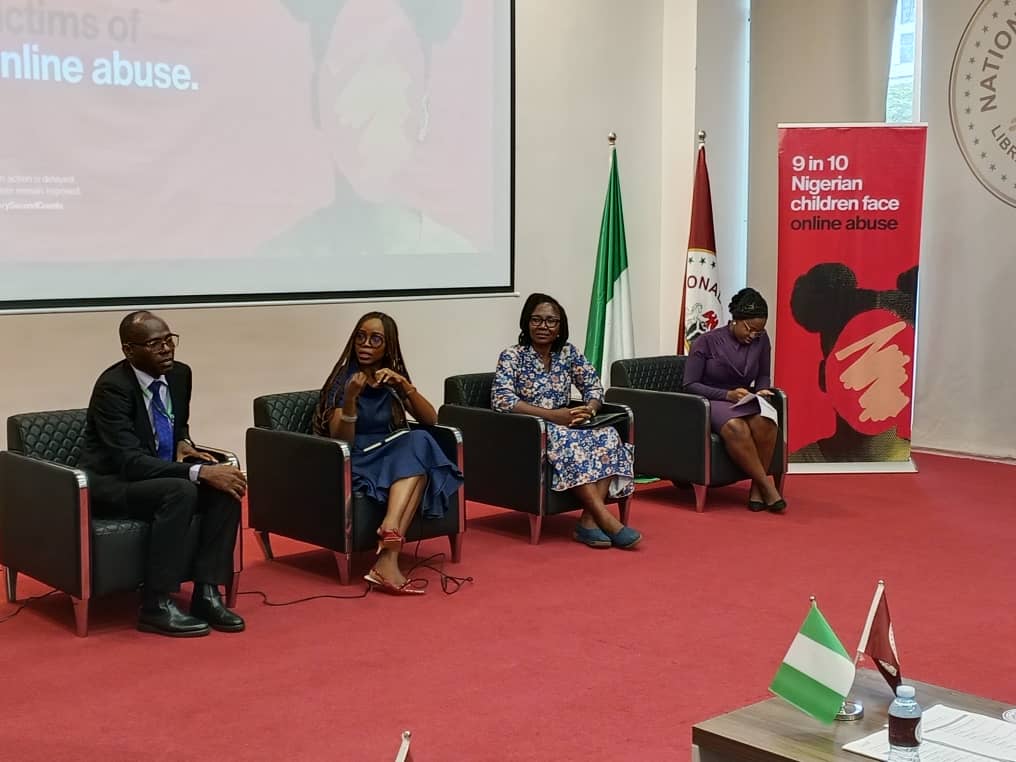
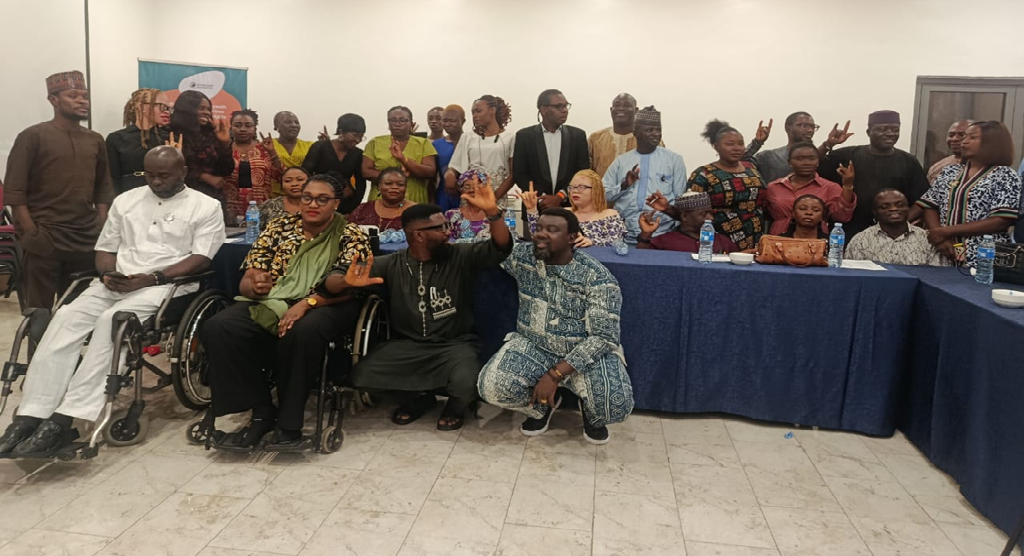
They made the call at the 2026 Law for Humanity Summit, organised by the Public and Private Development Centre (PPDC) in Abuja, where stakeholders examined how technology and innovation could address challenges in the justice sector.
A Senior Advocate of Nigeria, Professor Yemi Akinseye-George, who is also the Executive Director Center for socio-legal studies said AI could broaden access to justice but must not replace the responsibility of lawyers and judges in legal proceedings.
He called for effective mechanisms to regulate the technology, warning that without proper safeguards, it could become an instrument of oppression and widen the gap between rich and poor Nigerians.
“There is no amount of technology or AI that we may have that can displace humanity. Humans must be in control, we must take responsibility,” he said.
The Chief Executive Officer of PPDC, Lucy Abagi, said the organisation had supported 11 law clinics in 11 Nigerian universities over the past four years to improve access to legal services, particularly for indigent people and awaiting-trial detainees.
She said the initiative had facilitated bail services for more than 8,500 Nigerians and helped prevent over 20,000 others from entering correctional centres.
Abagi said the law clinics worked with pro bono lawyers and police duty solicitors to review case files and assist detainees, adding that the programme should continue even without funding from development partners.
She put the number of awaiting-trial inmates in Nigerian correctional centres at about 55,000, noting that the high cost of legal representation prevented many people from accessing justice.
Also speaking, Bamidele Ibikunle, who represented the Director-General of the Legal Aid Council of Nigeria Aliyu Abubakar, explained that technology had made it easier for Nigerians to access free legal services through telephone calls and online applications.
Abubakar, however, cautioned lawyers against relying solely on artificial intelligence for legal research, warning that it could generate inaccurate case citations.
Director-General of the Legal Aid Council of Nigeria urged legal practitioners to verify AI-generated information against authentic law reports before using it in legal proceedings.
The speakers also called for stronger collaboration among universities, the Nigerian Bar Association, the Legal Aid Council and other stakeholders to expand legal representation for people who cannot afford lawyers.
The summit focused on the use of technology, data and innovation to improve legal services and reduce the number of people awaiting trial in Nigeria.
Edited by Julian Osamoto