By Julian Osamoto
The Director-General of the Nigeria Centre for Disease Control and Prevention (NCDC), Dr Jide Idris, says the N10 billion emergency funding approved by President Bola Tinubu was intended to strengthen Nigeria’s response to multiple public health threats, not Ebola alone.
Dr Idris said the funding would support the prevention, preparedness, early detection and response to diseases including Lassa fever, cholera, meningitis, diphtheria, measles, mpox and antimicrobial resistance.
In a statement issued on Monday, he confirms that the N10 billion had been released to the NCDC, dismissing claims that the money was allocated to the Presidential Task Force on Ebola Virus Disease.
He explained that the task force, chaired by the Chief of Staff to the President, Femi Gbajabiamila, was established primarily to coordinate the national response, while the N10 billion was released directly to the NCDC to address broader health security needs.
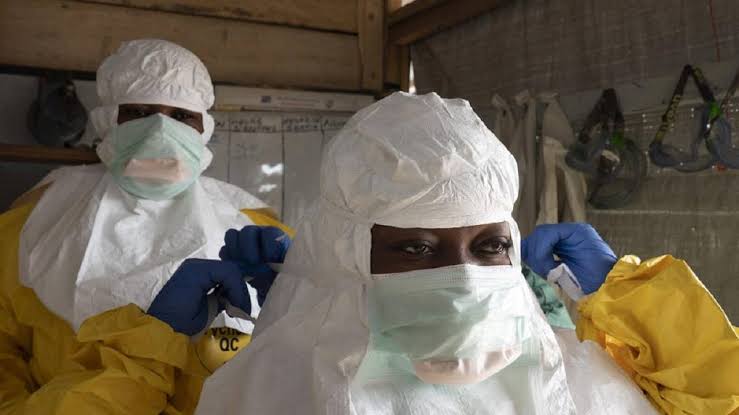
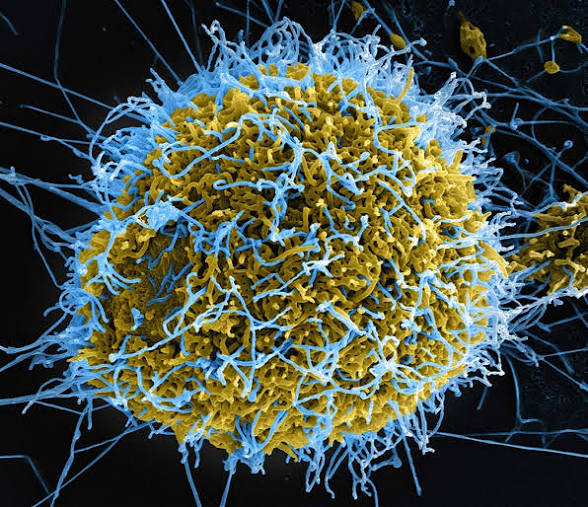
The clarification follows public debate over the funding amid Nigeria’s response to an imported case of Bundibugyo Ebola virus disease.
Dr Idris explained that the funding was inadequate to meet the country’s health security needs, citing Nigeria’s National Action Plan for Health Security 2.0, which is estimated to cost N522 billion over five years.
According to him, the plan required an average of N104.4 billion annually, making the N10 billion intervention about two per cent of its annual estimated cost.
He maintained that the additional funding followed earlier increases in the NCDC’s budgetary allocation, from N4 billion in 2024 to N7 billion in 2025, alongside a N5 billion intervention fund and a N22 billion allocation in the 2026 Appropriation.
NCDC boss said the government approved the additional N10 billion in June 2026 as the Ebola outbreak in the Democratic Republic of Congo became a global emergency.
“NCDC had already mobilised resources from government and development partners before the additional intervention was approved. The Global Preparedness Monitoring Board estimates that countries need between one and two dollars per person annually to achieve an acceptable level of epidemic preparedness”.
On the Ebola situation, Dr Idris stated that Nigeria had no active case as of Monday, although health authorities would continue monitoring contacts until each completed the mandatory 21-day observation period.
He also said the current situation did not warrant postponing elections, banning mass gatherings or restricting travel, adding that the NCDC had issued technical guidelines for organisers of public events.
The director-general called for transparency and accountability in the management of public health funds, urging Nigerians to rely on verified information from official NCDC channels.