Listeners:
Top listeners:
-
play_arrow
104.9FM Best rock music demo
-
play_arrow
Demo Radio Nr.1 For New Music And All The Hits!
-
play_arrow
Demo Radio Techno Top Music Radio
-
 play_arrow
Police Commissioner Launches Weapon and Riot Control Training for FCT Officers Democracy Radio

Nigeria, Austria Reaffirm Bilateral Ties at High-Level Diplomatic Talks
By Zainab Bakare
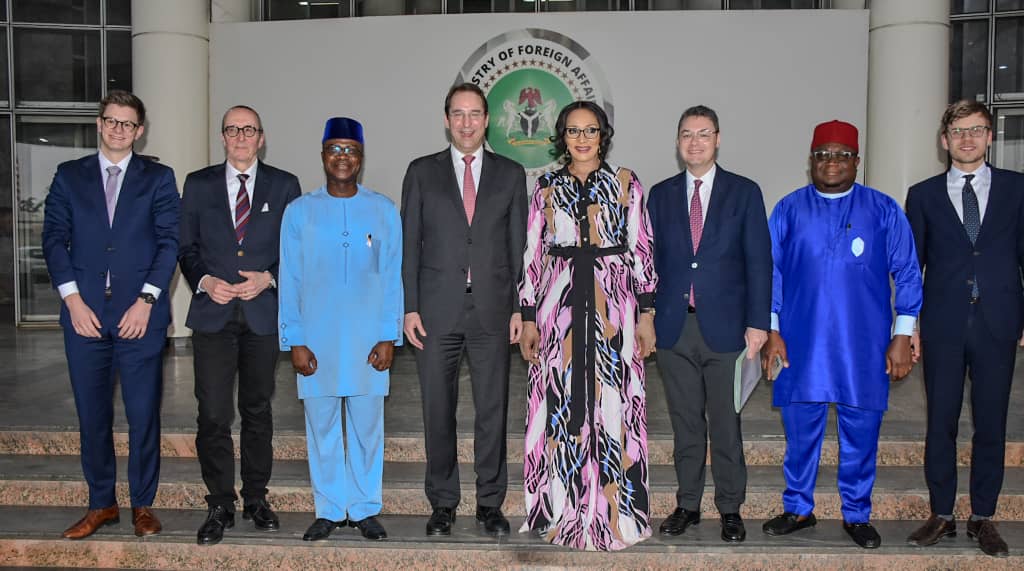
The Federal government and the Republic of Austria have reaffirmed their commitment to strengthening bilateral relations, multilateral cooperation, and partnerships across key strategic sectors.
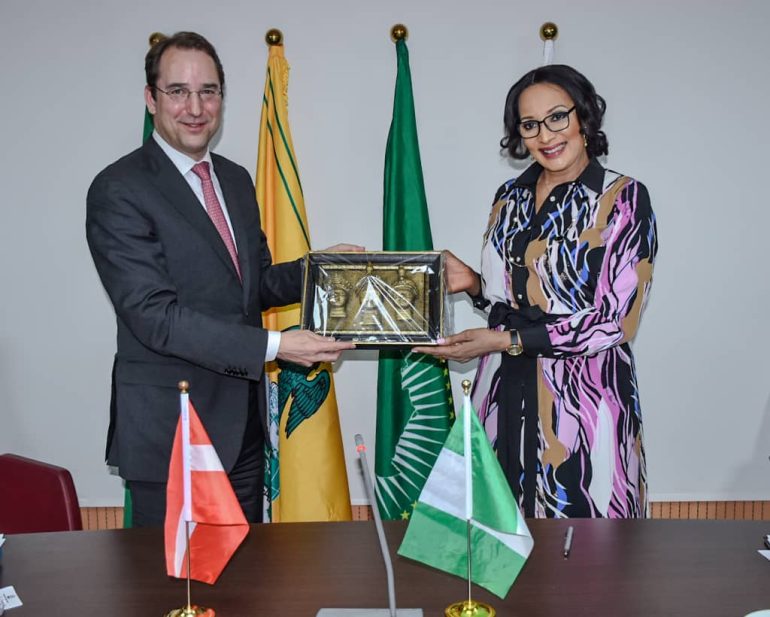
The commitment followed a high-level meeting between Minister of State for Foreign Affairs, Ambassador Bianca Odumiegwu-Ojukwu, and the Secretary-General of Austria’s Federal Ministry of International and European Affairs, Nikolaus Marschik.
According to a statement by the ministry’s spokesperson, Kimiebi Ebienfa, the meeting enabled both sides to review Nigeria–Austria relations, exchange views on global and regional developments, and identify areas for expanded cooperation.
Discussions took place amid ongoing geopolitical, economic, and security challenges affecting Europe, Africa, and the global system.
Welcoming the Austrian delegation, Ambassador Odumiegwu-Ojukwu says Nigeria values Austria’s long-standing friendship, noting that bilateral ties have remained cordial for over five decades.
She recall Austria’s early diplomatic presence in Nigeria and acknowledged the role of past envoys in strengthening institutional and people-to-people relations, adding that cultural familiarity and goodwill have reinforced ties between both countries.
The minister outlined Nigeria’s priorities for deeper economic cooperation, highlighting trade and investment opportunities in renewable energy, green technologies, food security, agro-processing, infrastructure, digital innovation, and ICT.
She encouraged Austrian companies to invest in Nigeria’s Special Economic Zones and leverage the African Continental Free Trade Area, noting that ongoing reforms aim to attract long-term investment.
The minister referenced existing cultural exchange agreements and growing interest among Nigerians in studying and training in Austria, expressing readiness to expand scholarships, academic partnerships, and collaboration between institutions in both countries.
On security, Ambassador Odumiegwu-Ojukwu briefed the Austrian delegation on Nigeria’s efforts to tackle terrorism, violent extremism, and organised crime, particularly in West Africa and the Sahel.
She outlined cooperation with international partners to counter Boko Haram, rebuild post-conflict communities, support displaced persons, and strengthen intelligence sharing, stressing that insecurity requires collective international action.
Migration was discussed as a shared concern, with Nigeria advocating orderly and regular migration that protects human rights while addressing root causes such as unemployment and skills gaps.
The minister highlighted skills development and vocational training as tools for empowering youth and promoting structured mobility.
In his response, Nikolaus Marschik thanked the Nigerian government for the engagement and reaffirmed Austria’s recognition of Nigeria’s leadership role in Africa.
He notes that Austria is developing a comprehensive Africa strategy based on partnership, equality, and mutual learning, describing Nigeria as one of Austria’s most important partners on the continent.
He said the strategy prioritises peace and security, economic cooperation, skills-based migration, education, science, culture, and environmental protection, aligned with African priorities and global development goals.
Multilateral cooperation and the defence of a rules-based international order were also discussed. Austria appreciated Nigeria’s support for its United Nations Security Council bid, while both countries pledged continued collaboration within international institutions.
Education and people-to-people exchanges were identified as further areas of cooperation, including opportunities for Nigerian participation in programmes at Austria’s Diplomatic Academy and institutional collaboration.
Both sides concluded by reaffirming their readiness to deepen cooperation across priority areas, underscoring the importance of strong bilateral and multilateral partnerships in promoting peace, stability, and sustainable development.