By Oluwakemi Kindness
Key stakeholders in Nigeria’s housing and real estate sector on Monday called for stronger regulation, improved transparency and better coordination among government agencies to tackle fraud, protect property buyers and attract investment.
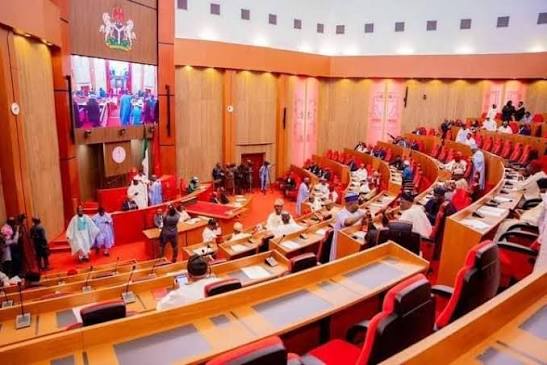
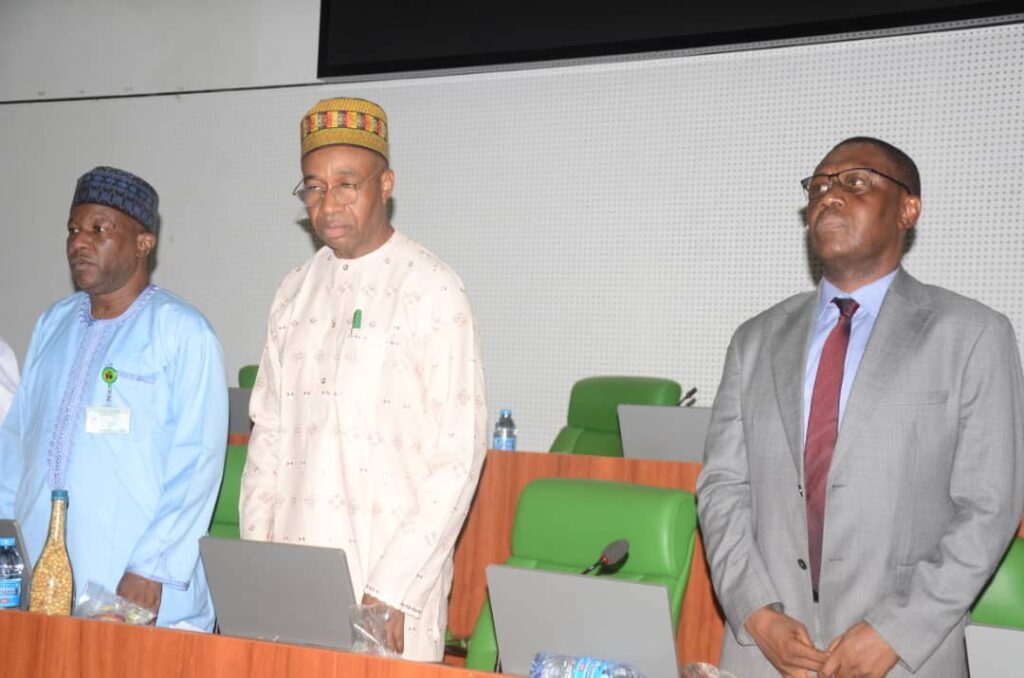
The call was made at a stakeholders’ conference on the proposed National Real Estate Regulatory Authority, organised by the House of Representatives Committee on Housing and Habitat.
The Minister of Housing and Urban Development, Muttaqha Rabe-Darma, said poor coordination among government institutions has weakened oversight of the sector, exposing property buyers to fraudulent developers and abandoned projects.
He disclosed that a Ministry survey identified abandoned housing projects across the country, with about 38 billion naira in workers’ contributions tied up in the developments.
He also revealed that 23 per cent of developers identified in a report were not registered with the relevant industry association.
Rabe-Darma expressed the Ministry’s support for the proposed authority but recommended that it be domiciled in the Housing Ministry. He said the legislation should provide safeguards for property buyers, standardised tenancy agreements and stronger oversight of developers and mortgage lenders.
The Speaker of the House of Representatives, Tajudeen Abbas, also called for a coordinated regulatory system, proposing a verifiable register of developers and estate agents, protected escrow accounts for off-plan property transactions and digital systems for verifying land ownership and development approvals.
Abbas said the proposed authority should coordinate existing institutions rather than duplicate their responsibilities, noting that poor land administration and fragmented approval processes continue to expose buyers and investors to fraud.
Meanwhile, the Managing Director of the Ministry of Finance Incorporated, Dr. Armstrong Ume Takang, disclosed that fewer than 10 per cent of properties in Nigeria have proper titles, warning that the situation limits access to finance and undermines investor confidence.
Takang, who said real estate contributed 12.71 per cent to Nigeria’s Gross Domestic Product in the second quarter of 2026, recommended a national licensing system for developers and estate agents, mandatory registration of investment offers and separate trust accounts to protect buyers’ funds. He also disclosed that building collapse incidents had claimed more than 270 lives over the years.
Similarly, the President of the Real Estate Developers Association of Nigeria, REDAN, Oba Akintoye Adeoye, called for mandatory escrow accounts and stricter professional standards to prevent fraudulent transactions and abandoned projects.
Adeoye said stronger regulation would improve accountability and attract institutional investors, including pension funds. He also proposed linking government licences for developers to certificates of professional good standing issued by REDAN.
The Chairman of the House Committee on Housing and Habitat, Abdulmumin Jibrin, said the proposed authority would address regulatory gaps and improve coordination among existing institutions. He assured state governments and professional bodies that the legislation would not take over their statutory responsibilities.
Also speaking, the Special Adviser to the President on National Assembly Matters, Dr. Wasiu Olanrewaju-Smart, said President Bola Tinubu was ready to give the proposed legislation a fair review but urged lawmakers to address concerns about its relationship with the Land Use Act, excessive regulation and the cost of establishing another government agency.
Participants at the conference also called for wider consultations and a transparent regulatory framework that protects property buyers without discouraging private-sector investment.