Listeners:
Top listeners:
-
play_arrow
104.9FM Best rock music demo
-
play_arrow
Demo Radio Nr.1 For New Music And All The Hits!
-
play_arrow
Demo Radio Techno Top Music Radio
-
 play_arrow
Police Commissioner Launches Weapon and Riot Control Training for FCT Officers Democracy Radio
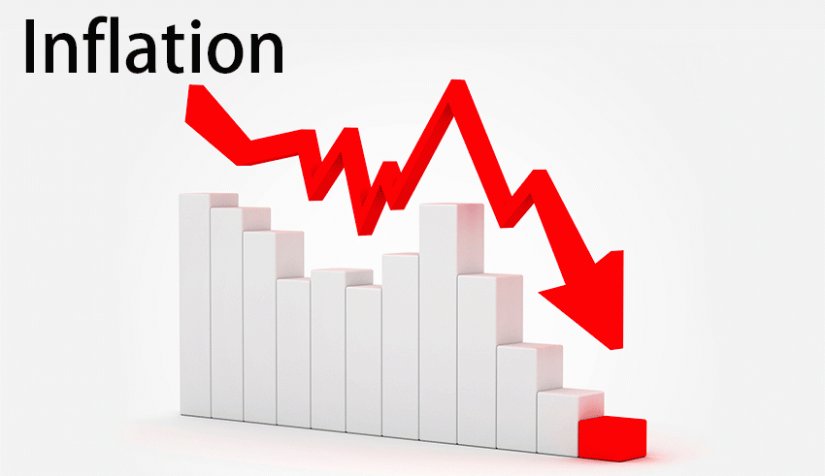
Nigeria Records Over 4% Growth as Inflation Falls — Minister
By Oluwakemi Kindness
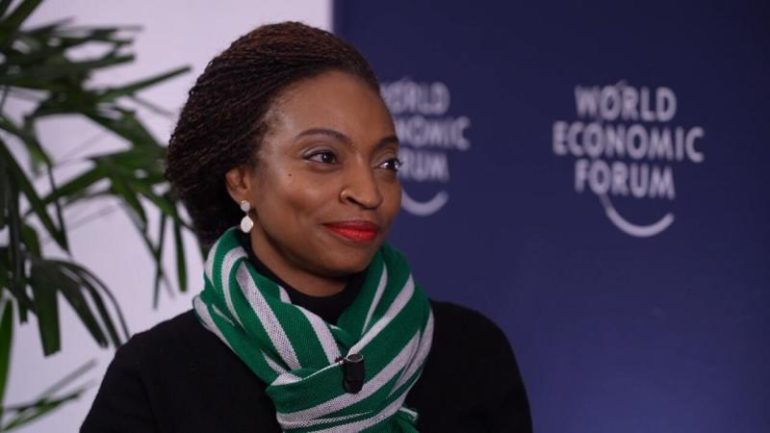
Nigeria’s economy has recorded growth above four per cent while inflation has fallen sharply, according to the Minister of Industry, Trade and Investment, Dr. Jumoke Oduwole.
The minister spoke during an interview with CNN on the sidelines of the World Economic Forum (WEF) in Davos, Switzerland.
Oduwole said the improvement reflects the impact of ongoing economic reforms, renewed investor confidence, and stronger global partnerships, noting that Nigeria’s growth outlook is the strongest in more than a decade.
“The growth is over four per cent and projected by the World Bank to continue strongly. Inflation has been halved between 2024 and 2025,” she said.
The World Bank has projected sustained economic growth above four per cent, supported by declining inflation and structural reforms.
Oduwole said the government is modernising Nigeria’s trade systems to improve the ease of doing business, particularly at the ports.
She disclosed that a national single-window trade platform is scheduled to go live by the end of the current quarter, a move expected to reduce delays and costs for importers and exporters.
“When investors make decisions, they look at whether they can do business efficiently. That is what these reforms are designed to achieve,” she said.
Highlighting Nigeria’s trade relationship with the United States, the minister described the country as a key strategic partner.
“The United States remains a strong partner. We launched a commercial investment partnership in June last year, and US businesses work very closely with Nigerian businesses,” she said.
Oduwole said Nigeria is pursuing long-term reforms aimed at improving infrastructure, expanding exports, and strengthening trade access, while positioning the country for a leadership role under the African Continental Free Trade Area (AfCFTA).
She also revealed that Nigeria has opened air cargo corridors with 13 African countries, a development she said has reduced freight costs for exporters by about 50 per cent.
The minister added that Nigeria’s debut of the ‘Nigeria House’ at the Davos WEF provided a platform to showcase the country’s reform agenda, investment opportunities, and trade priorities to global investors and policymakers.