By Sofiat Adenekan-Abdul
The National Institute for Legislative and Democratic Studies (NILDS) says it is considering solar power to address electricity supply challenges affecting its operations.
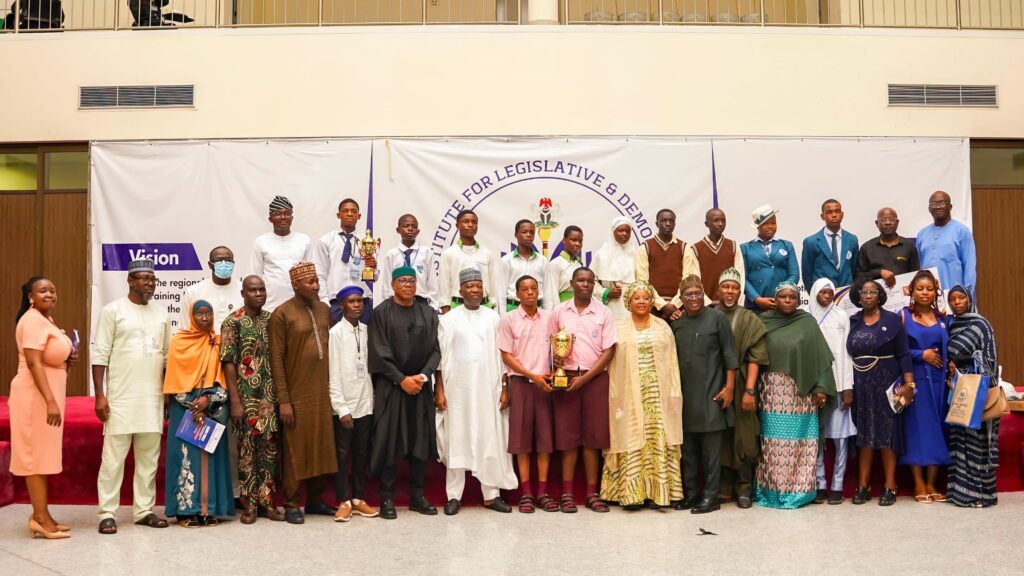
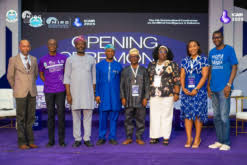
The Director-General of the Institute, Professor Abubakar Olanrewaju Suleiman, disclosed this during the opening of its quarterly staff training and development programme in Abuja.
He said the Institute had experienced power supply disruptions for about two weeks, apologising to participants and guests for the inconvenience caused by the situation.
Professor Suleiman said providing a reliable alternative power source would be a priority in the coming year, adding that he intended to propose a five-billion-naira provision for solar infrastructure in the next budget.
He appealed for the support of the National Assembly leadership, describing renewable energy as an important infrastructure need for the Institute.
The DG also used the occasion to announce a structured quarterly staff training framework aimed at identifying and addressing gaps in employees’ knowledge, skills and professional competencies.
He said the programme would cover leadership and professional responsibility, public service rules, human resource management, workplace administration, artificial intelligence and emerging technologies.
Professor Suleiman explained that the framework would build on previous staff training activities and adopt a train-the-trainer approach to encourage knowledge sharing across the Institute.
Representing the Chairman of the National Assembly Service Commission, Mr Patrick Giwa, urged participants to demonstrate professionalism, integrity, punctuality, teamwork and accountability.
In a separate goodwill message, the Permanent Secretary, Legislative Budget and Planning, Dr David Okoha, who represented the Clerk to the National Assembly, encouraged participants to take advantage of training opportunities to improve their professional competence.
Dr Okoha, a medical doctor, said his studies at NILDS helped prepare him for a career in legislative administration. He disclosed that he graduated as the best student in legislative studies.
The Director-General acknowledged the contributions of development partners, including UN Women and the Westminster Foundation for Democracy, to previous staff capacity-building initiatives.
Edited by Julian Osamoto