By Mardiyyah Abubakar
A Kano Magistrate Court has sentenced two men to nine years in prison each for supplying rubber solution and other intoxicating substances to vulnerable children in the state.
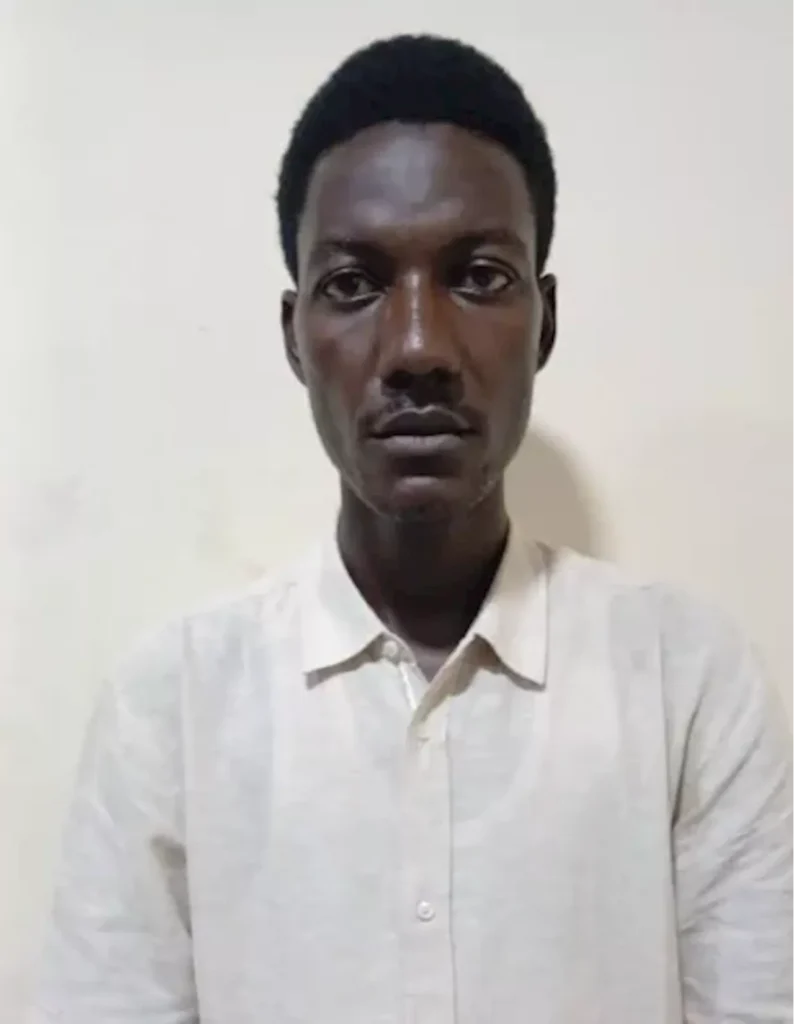
The convicts, Kabiru Isa, also known as Mada, and Usman Hamisu, popularly known as Mani, were sentenced by Magistrate Muhammad Alhaji Sani of Magistrate Court No. 44, Gwammaja, Kano.
The Kano State Multi-Agency Task Force on Drug Abuse and Illicit Trafficking announced the convictions in a statement signed by a member of its Media and Publicity Committee, Lamara Garba.
The court found the two men guilty of criminal conspiracy, membership of an unlawful society and administering intoxicating substances, offences punishable under Sections 97, 97A and 249 of the Penal Code.
Each convict was handed a cumulative nine-year prison sentence without an option of fine. The sentences are to run consecutively, with each year to be served as a full 12 calendar months.
The case followed investigations into the alleged distribution of intoxicating substances to vulnerable children around the Race Course area of Kano.
According to the Task Force, authorities rescued 43 children, most of them underage, from the area during the operation.
Investigators found that some of the children engaged in street scavenging were allegedly given rubber solution and other harmful substances instead of proper payment for their work.
The Task Force says the practice exposed the children to substance abuse and further heightened their vulnerability to exploitation and other social risks.
Chairman of the Task Force, Muhuyi Magaji, says the conviction demonstrated the agency’s commitment to prosecuting individuals who exploit children or supply intoxicating substances to them.
Magaji says the Task Force would continue to investigate and prosecute individuals involved in supplying intoxicants to children or promoting drug abuse.
He added that the agency was implementing a broader programme aimed at removing 10,000 vulnerable youths from the streets, particularly those exposed to substance abuse and other harmful influences.
Under the programme, rescued youths will undergo medical and psychosocial assessments. Those requiring treatment will receive appropriate interventions, while others will be provided with rehabilitation, skills training and support for reintegration into their communities.
Magaji urges parents, community leaders, traditional institutions and other stakeholders to work together to protect children and young people from substance abuse.
The Task Force also called on members of the public to report cases of child exploitation and the distribution of intoxicating substances to vulnerable children and youths.