By Oluwakemi Kindness
The United Nations Development Programme (UNDP) has identified gender-based violence, discrimination and unequal access to justice as major barriers to HIV prevention in Nigeria, calling for stronger institutional protection of vulnerable populations.
The organisation said biomedical interventions alone could not deliver lasting results without addressing the social inequalities and institutional barriers that prevent people from accessing health services safely and without discrimination.
The UNDP made this known on Thursday in Abuja during a dialogue on institutionalising gender justice, human rights and accountable health systems for a sustainable HIV response in Nigeria.
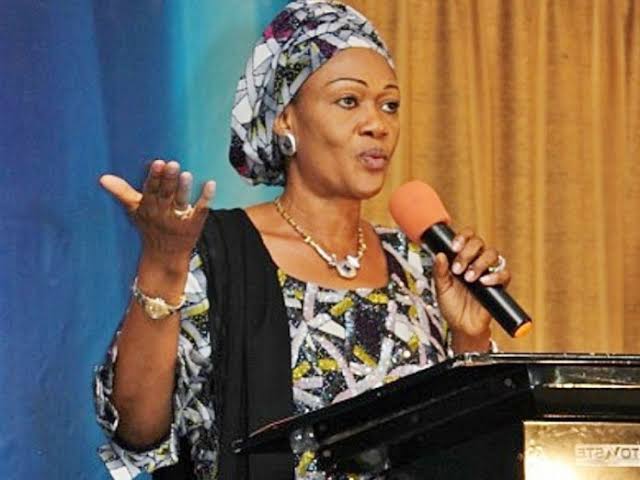
Speaking on behalf of UNDP Nigeria and the Joint United Nations Team on HIV/AIDS, Onyinye Belinda Ndubuisi said violence, unequal power relations, economic vulnerability and punitive practices directly affected HIV prevention and access to care.
She stressed that women and girls, young people, people living with HIV and key and vulnerable populations were particularly affected by these barriers.
“As the global 16 Days of Activism begins, we must affirm that ending gender-based violence is HIV prevention; protecting human rights is HIV prevention; and access to justice is integral to resilient health systems,” she said.
Ndubuisi called for survivor-centred, confidential and non-discriminatory services, with stronger links between healthcare, justice, protection and social support institutions.
She disclosed that the High-Level Observatory on Gender, Justice, Human Rights and Health, supported through the Global Fund’s Grant Cycle Seven interventions, now covers 19 states and the Federal Capital Territory.
According to her, the Observatory provides a platform for examining institutional practices, identifying implementation gaps and generating evidence to strengthen accountability across justice and health institutions.
She said the initiative, alongside guidelines on gender, justice, human rights and health, would help translate existing legal protections into practical safeguards for vulnerable populations.
Ndubuisi noted that the guidelines support the implementation of the Violence Against Persons (Prohibition) Act 2015, the Administration of Criminal Justice Act 2015 and the Anti-Torture Act 2017.
She, however, stressed that the existence of laws was not enough without effective implementation, accessible remedies and accountability from relevant institutions.
On sustainability, the UNDP representative urged stakeholders to integrate gender justice and human rights priorities into the implementation of Nigeria’s National Strategic Plan 2026–2030 on HIV.
She also called for stronger government ownership, meaningful community participation, improved monitoring and accountability, and sustainable financing beyond the current Global Fund grant cycle.
Ndubuisi reaffirmed UNDP’s commitment to working with the National Agency for the Control of AIDS, government institutions, civil society organisations, communities and development partners to strengthen a rights-based and sustainable HIV response.