By Oluwakemi Kindness
The United States and Iran have exchanged fresh military strikes, further straining a fragile ceasefire and dimming hopes for a breakthrough in ongoing peace negotiations.
The latest escalation comes as both sides remain locked in difficult talks aimed at ending months of conflict and reopening the Strait of Hormuz, a vital route for global oil supplies.
The US military said it carried out “self-defence strikes” on Iranian radar and drone-control sites after Tehran allegedly shot down an American MQ-1 drone.
Washington described the operation as its third round of strikes against Iranian targets in just over a week.
Iran’s Revolutionary Guards responded by claiming responsibility for an attack on a military air base used by US forces, though they did not disclose the location.
The exchange of fire coincided with reports from Kuwait that its air defences intercepted hostile missiles and drones.
Nuclear Talks Remain Deadlocked
A major obstacle to any agreement remains Iran’s nuclear programme.
While Tehran insists its nuclear activities are peaceful, the United States and its allies continue to express concerns about the possibility of weapons development.
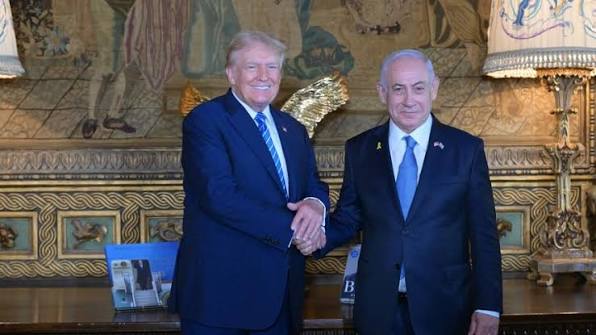
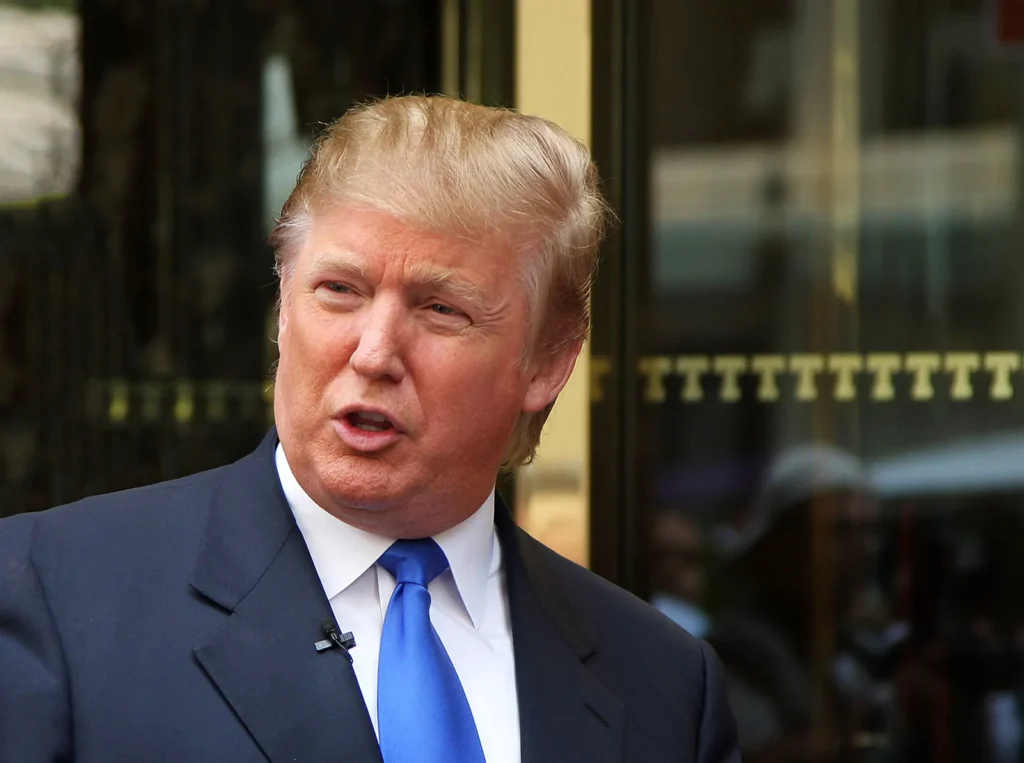
US President Donald Trump has reportedly submitted a tougher proposal to Iran, seeking guarantees that Tehran will never acquire a nuclear weapon and that shipping through the Strait of Hormuz will resume without restrictions.
Iran, however, says key differences remain unresolved.
“We will not approve any agreement until we are certain that the rights of the Iranian people have been upheld,” chief negotiator Mohammad Bagher Ghalibaf said.
Iranian Foreign Minister Abbas Araghchi also cautioned against speculation, saying negotiations are still ongoing.
Tehran is reportedly demanding access to billions of dollars in frozen assets before engaging in substantive nuclear talks.
Lebanon Conflict Adds Pressure
The situation has been further complicated by Israel’s expanding military offensive in Lebanon.
Iran has insisted that any wider peace deal must address the conflict involving Hezbollah, the Lebanese group backed by Tehran.
Lebanon accused Israel of pursuing a “scorched-earth policy” after intensified operations in the south of the country.
An Israeli strike on Sunday reportedly killed eight people, including three women, according to Lebanese health authorities.
Israeli Prime Minister Benjamin Netanyahu described the capture of the strategic Beaufort Castle as “a dramatic shift” in the campaign.
The United Nations Security Council is expected to hold an emergency meeting on Monday to discuss the worsening situation in Lebanon and growing regional tensions.