By Julian Osamoto
YiAGA Africa an election-monitoring organisation says it will deploy more than 3,000 observers, including 774 long-term observers, across Nigeria ahead of the 2027 general election.
The organisation said the deployment would cover political campaigns, the activities of the Independent National Electoral Commission (INEC), electoral logistics, voter education, security and incidents of violence before and during the elections.
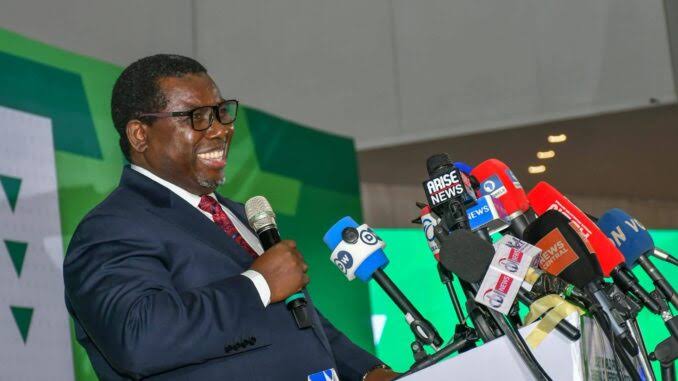
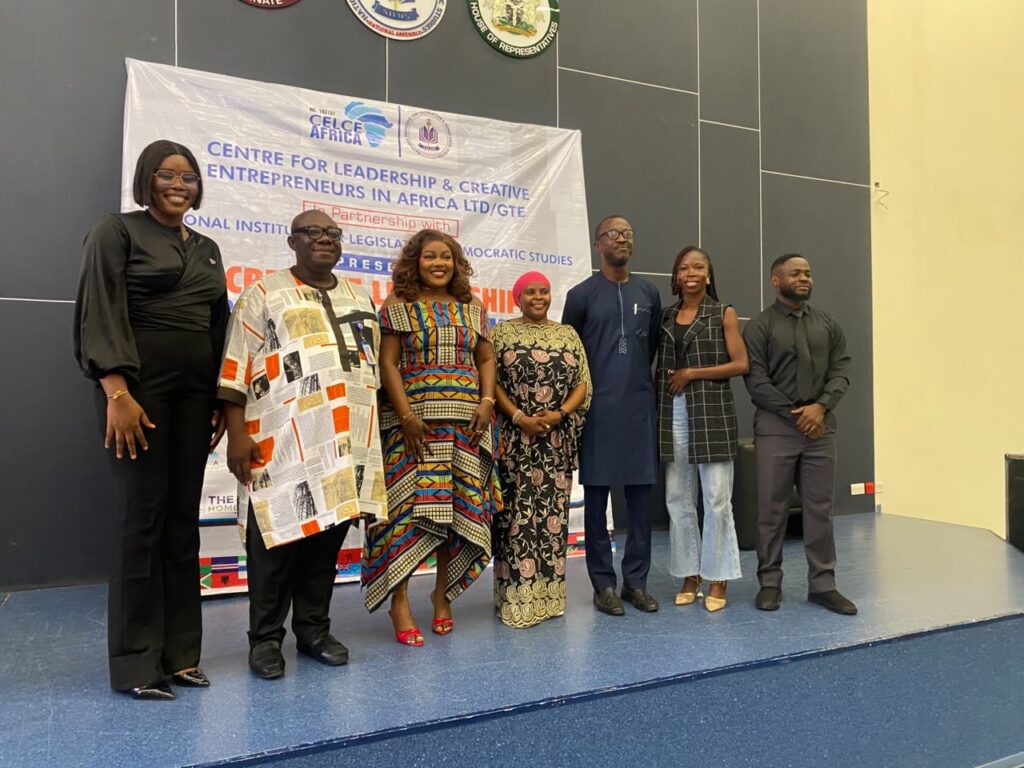
Executive Director of YiAGA Africa, Samson Itodo, disclosed this in Abuja, during a two-day national training for State Focal Persons and trainers on the WatchingTheVote (WTV) initiative, Parallel Vote Tabulation (PVT), pre-election observation and observer recruitment.
Itodo explained that the training was meant to prepare state focal persons to train observers across the 36 states and strengthen the organisation’s capacity to monitor the electoral process nationwide.
He said YiAGA Africa plans to conduct more than 130 training sessions ahead of the 2027 elections, describing election observation as a systematic exercise that requires specialised knowledge and extensive preparation.
“Election observation isn’t a tea party. It’s a very systematic, highly technical exercise that requires investment in capacity building,” Itodo said.
He said participants were being trained on PVT methodology, electoral rules, the Electoral Act, INEC guidelines and new procedures introduced ahead of the 2027 elections.
The training also covers stakeholder engagement, security, observer recruitment and pre-election observation.
According to Itodo the 774 long-term observers would monitor developments at the local government level and provide information on the political environment ahead of the elections.
He said the monitoring would assess whether the environment was conducive to political campaigns, INEC’s level of preparedness and the management of electoral logistics. “The observers will also monitor the conduct of security agencies, emerging conflicts and the use of incumbency during the electoral process”.
Itodo said election monitoring must extend beyond election day because the credibility of an election depends on the integrity of the processes leading to the polls.
“A compromised process cannot produce a credible outcome. Only a credible process can produce a credible outcome, but compromised processes always produce compromised outcomes,” he said.
Also speaking Director of Programmes at YiAGA Africa, Cynthia Mbamalu, said the training marked the formal launch of the organisation’s national deployment for the 2027 elections.
Mbamalu said 42 WatchingTheVote trainers were being equipped to conduct training at state level, while YiAGA Africa would recruit more than 3,000 observers for its Parallel Vote Tabulation deployment.
She said recruitment would begin with state coordinators, who would return to their states to recruit local government supervisors responsible for coordinating observers.
Mbamalu said the 774 long-term observers would monitor political party campaigns, INEC preparations, voter education activities and incidents of electoral violence.
She noted that the violence-monitoring component would provide an early-warning mechanism and enable YiAGA Africa to share information with security agencies to support preventive action.
“Coming from the last election, where we had a lot of incidents of pre-election violence, we want to ensure that as an organisation, we’re tracking the incidents at the local government level and sharing our findings with the security agencies to ensure that those issues are addressed ahead of elections,” she said.
Mbamalu revealed that YiAGA Africa’s objective was to promote a transparent and peaceful electoral process capable of strengthening citizens’ confidence in election outcomes.
On election results, she said Nigeria’s evolving results-management system was partly a response to concerns over public trust in electoral outcomes.
She acknowledged INEC’s introduction of an electronic result form as part of its new procedures but called for greater clarity on how the validation process would work.
Mbamalu said voters, the media and other stakeholders should be able to understand how results move from polling units through the collation process.
She said transparency required citizens to verify that results recorded at polling units matched those transmitted and eventually used for collation.
The Kano State Focal Person, Maryam Usman, said the training had strengthened participants’ understanding of their roles as voter-education advocates and promoters of peaceful democratic participation.
Usman said YiAGA Africa would intensify voter education to address the perception among some Nigerians that their votes do not count.
She urged voters to assess candidates based on their records, promises and performance rather than party affiliation alone.
Usman also encouraged citizens to hold elected representatives accountable and use their democratic rights when representatives fail to deliver on their mandates.
The training is being supported under the European Union-backed Support for Democratic Governance in Nigeria project.