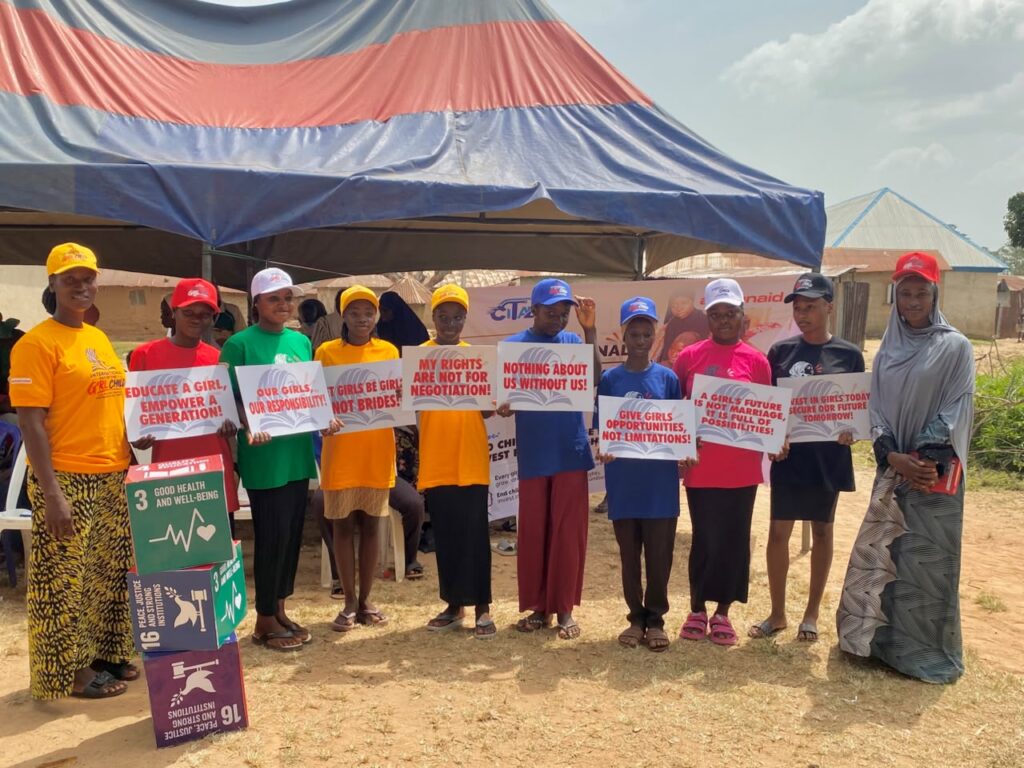
By Halima Adisa
Poverty, teenage pregnancy and early marriage have been identified as contributing factors to school dropouts among girls in Kayache community, Kuje Area Council of the Federal Capital Territory.
Programme Officer of the Centre for Information Technology and Development (CITAD), Yesmin Salako, disclosed this on Sunday, during an outreach programme in the community, citing research conducted under the organisation’s Girl-Led Action Project.
Salako said the research found that about 30 per cent of school dropouts in the community were linked to teenage pregnancy and early marriage.
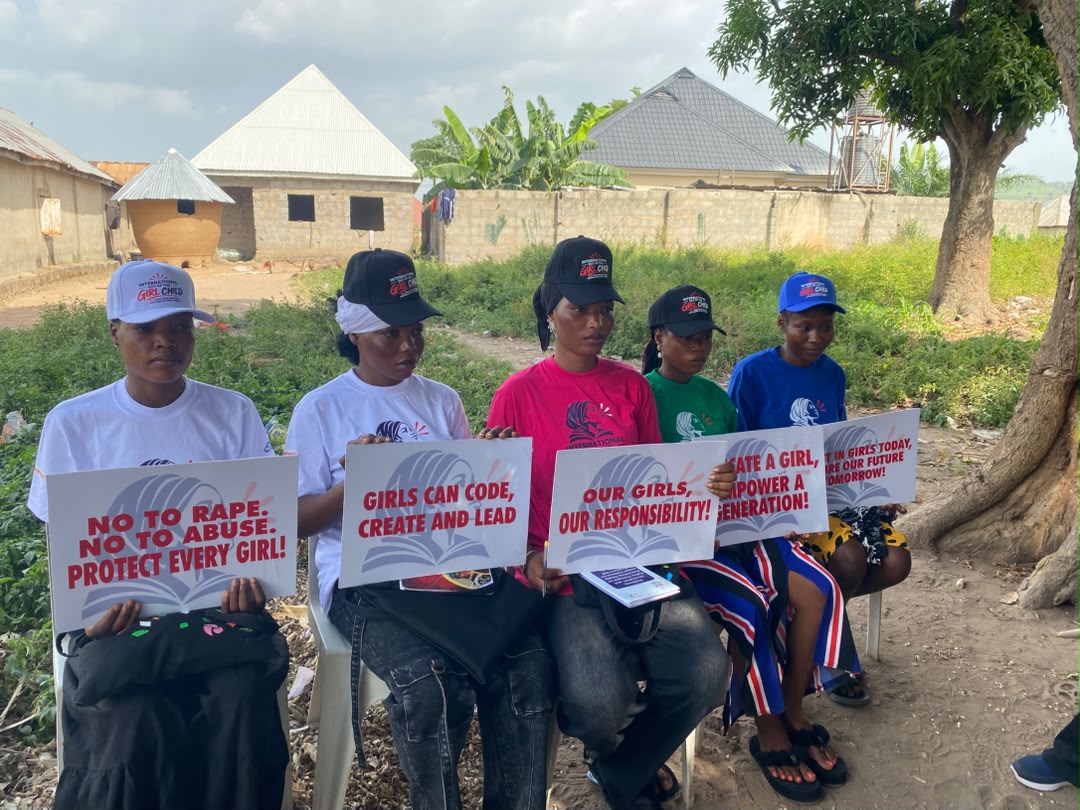
She explained that improving families’ financial conditions could help keep more girls in school and reduce the pressure on parents to marry off their daughters early.
For Charlene Charmwakat-Makai, Founder, Empower Her Sustainable Development Initiative in Africa, she also identified poverty and the cost of education as major barriers to girls’ education.
Makai said her organisation supports vulnerable girls through school enrolment, tuition assistance, education and skills acquisition, but called on the government to address hidden school charges and ensure basic education is genuinely affordable.
Accordingly, the Assistant Director of Social Welfare at Kuje Area Council and Gender Desk Officer, Emmanuel Musa-Magaji, warned that early marriage deprives girls of education and future opportunities, while exposing them to health and social risks.
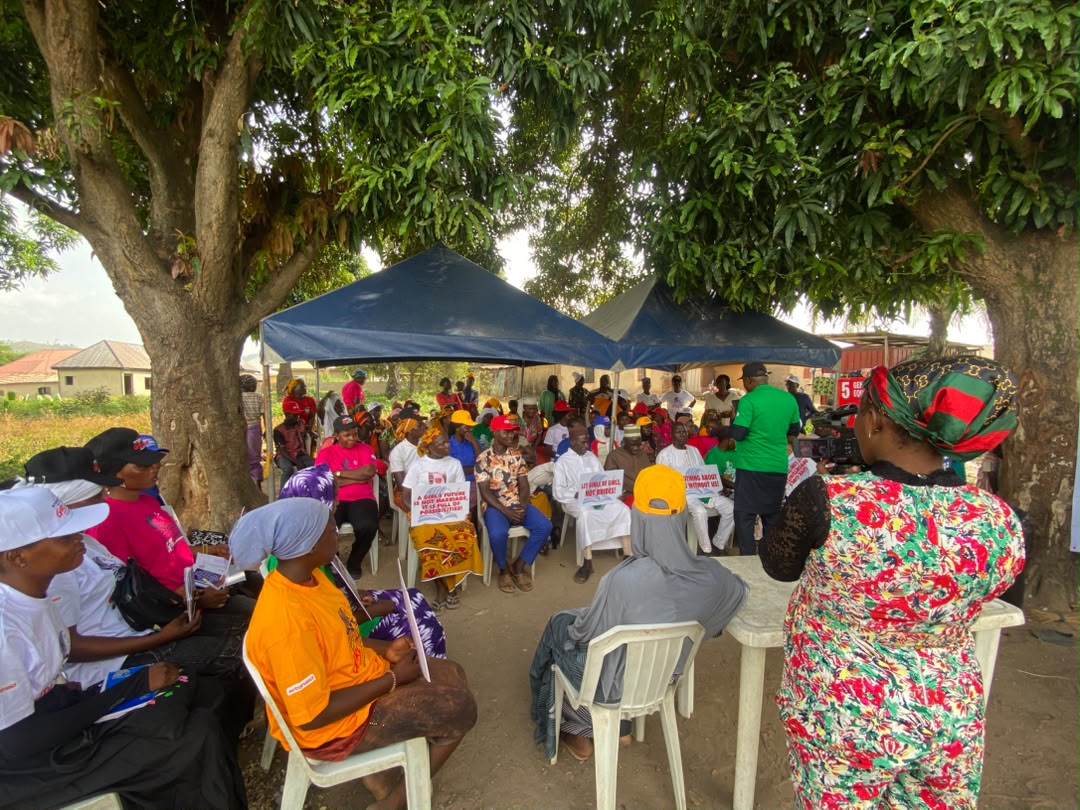
He urged parents to keep their daughters in school and encourage them to acquire vocational skills.
Meanwhile, a resident, Esther Danladi, appealed to the government to support rural women who rely on farming and petty businesses but struggle to pay their children’s school expenses.
The stakeholders called for stronger enforcement of child protection laws, accessible education and economic empowerment programmes to help families keep girls in school and prevent early marriage.
Edited By Julian Osamoto