By Oluwakemi Kindness
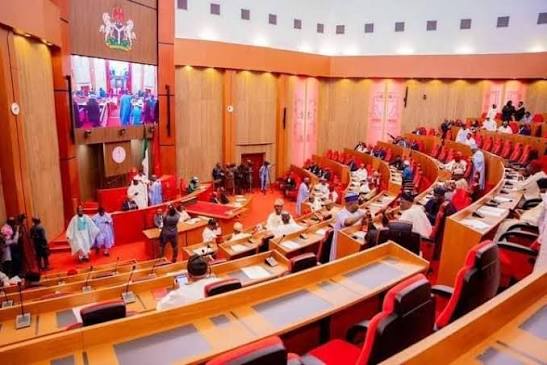
The House of Representatives is considering a bill that seeks to compel healthcare facilities to begin emergency triage within 15 minutes and basic stabilisation within 30 minutes of a patient’s arrival.
The proposed legislation seeks to amend the National Health Act 2014 to strengthen emergency medical care and prevent avoidable deaths caused by delays in treatment.
Leading debate on the bill, its sponsor, Akin-Tunde Rotimi, said Nigerians had continued to suffer preventable complications and deaths because of administrative delays, demands for payment, unavailable hospital beds and poorly coordinated referrals.
He said the proposed amendment would make the right to emergency treatment more effective by introducing clear timelines, mandatory professional training and enforceable responsibilities for healthcare providers.
Under the bill, life-saving interventions must begin immediately once healthcare workers identify a life-threatening condition. Healthcare facilities would also be required to assign available beds within two hours and establish clear referral procedures when they cannot admit patients.
The proposal further mandates emergency care training and certification for relevant healthcare workers at intervals not exceeding 18 months.
Rotimi said the bill would distinguish genuine resource limitations from negligence and wilful abandonment, while protecting healthcare workers who act in good faith and comply with referral procedures.
Healthcare facilities that refuse, delay or obstruct emergency treatment could face financial penalties, suspension of licences or closure. Health workers who wilfully refuse or abandon emergency patients could also face criminal penalties and professional disciplinary action.
The bill also provides for compensation where injury, disability or death results from a breach of its emergency treatment provisions.
Rotimi urged lawmakers to support the proposal and allow it to proceed to the Committee Stage, saying no Nigerian should have to negotiate for survival during a medical emergency.