By Oluwakemi Kindness
The United Nations Development Programme (UNDP) has called for stronger institutional coordination, accountability and capacity to ensure the effective implementation of laws protecting vulnerable persons in Nigeria.
The organisation said although Nigeria has established legal and policy frameworks for protecting vulnerable groups, gaps in implementation continued to limit their impact.
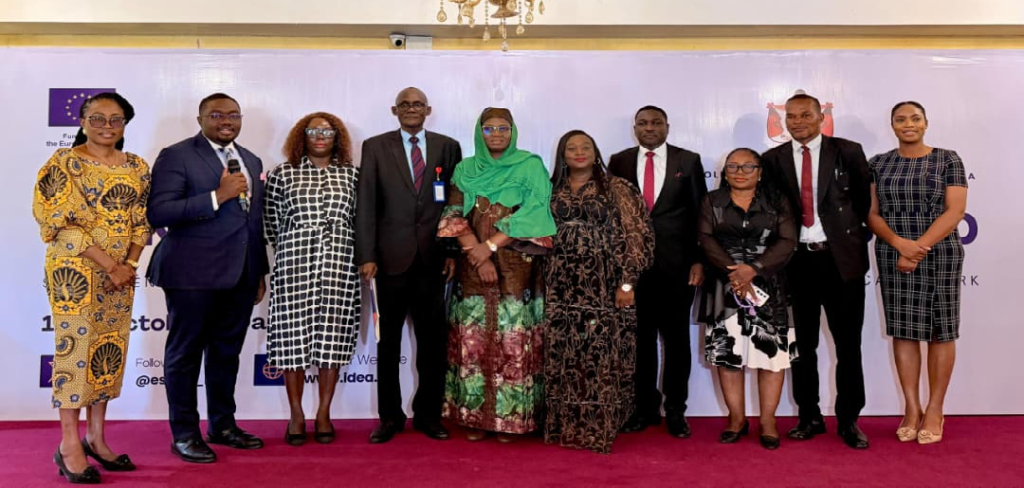
The UNDP Programme Unit representative, Onye Ndubisi, made the call in Abuja on Thursday at a National Technical and Institutional Validation Workshop on Guidelines for the Effective Implementation of Selected Laws Applicable to Vulnerable Persons in Nigeria.
Ndubisi said the challenge is no longer simply the availability of protective laws but the capacity of institutions to translate legal provisions into improved protection, access to justice and better living conditions.
“The fundamental question before us is not simply whether Nigeria has adequate laws to protect vulnerable persons. We know we do. But whether our institutions are sufficiently equipped, coordinated and accountable to ensure that those laws translate into protection, justice, improved lives and overall development,” she said.
She urged participants to critically examine the guidelines, noting that the validation process would be followed by further review and final validation by the relevant authorities before adoption.
Ndubisi said UNDP would continue to support government efforts to strengthen inclusive governance, gender equality, human rights and institutional capacity.
She also stressed the importance of documenting and monitoring evidence to help institutions improve procedures, strengthen oversight and deliver better services.
Also speaking, the Lead Practitioner at Mild Rose Law Firm, Chukwuma Chinaka, described the guidelines as an innovation that would bring together provisions scattered across different laws into a common framework for action.
Chinaka said poor coordination among institutions responsible for implementing various laws, alongside inadequate funding and resources, continued to undermine the protection of vulnerable persons.
He noted that institutions sometimes operated in isolation or in conflict with one another, instead of working together to achieve the objectives of the legislation.
He also emphasised that people in detention retained their fundamental human rights, including access to healthcare, despite losing their freedom of movement.
According to him, mental health and drug-related conditions require appropriate health interventions and should not automatically be treated as criminal matters.
Also a Public Health Practitioner, Eberechi Uloeme, called for functional public healthcare systems in prisons and other detention centres to protect the physical and mental well-being of inmates.
Uloeme said healthcare was a fundamental human right and should extend beyond physical treatment to include mental, psychological and social well-being.
She urged governments and international organisations to support healthcare services in detention facilities, including systems for responding to disease outbreaks and other medical emergencies.
“People don’t need to live there worse than they came. They need to live there and also be healthy,” she said.
Uloeme added that correctional facilities should help ensure that people leave in better health conditions, rather than suffer further deterioration while in custody.
The workshop brought together relevant stakeholders to review the guidelines, which seek to improve the implementation of existing legal protections for vulnerable groups, including women, children and persons in detention.